
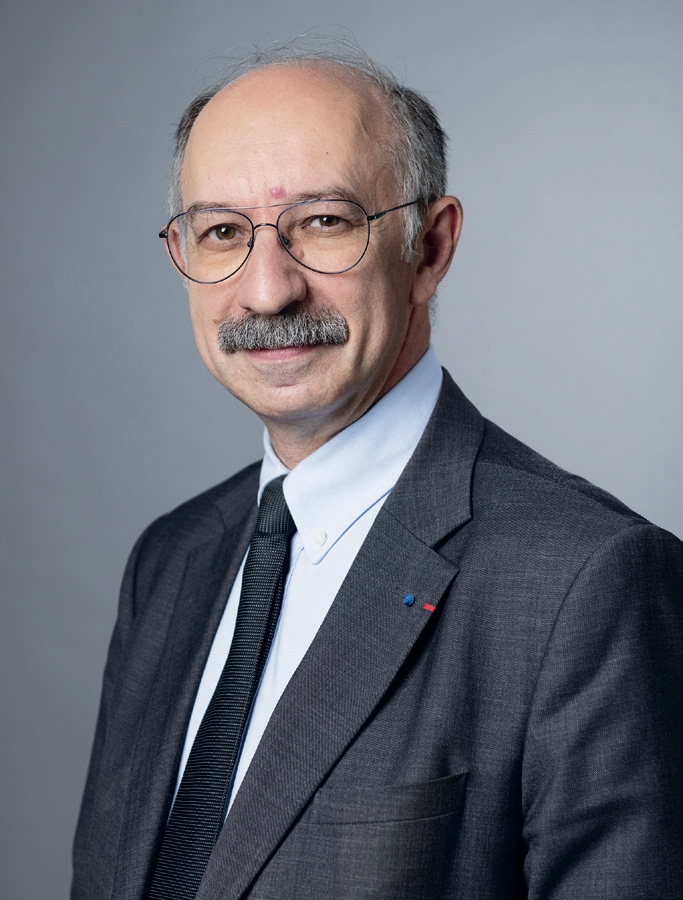
An interview with Mr Georges LEONETTI, Special Regional Councillor in charge of health, the fight against the pandemic, higher education and research
Supporting innovation and competitiveness of the territory through training and research
What are the major assets of the regional higher education and research landscape?
The South region ranks 4th in France for the number of researchers and R&D expenditure and relies on a very dense network made up of the two IdEx-labelled universities: Aix-Marseille University, a member of the European Civis network, and the University of Côte d’Azur, a member of the European Ulysseus network, but also the two local universities of Toulon (with a strong focus on the sea) and Avignon (with a specialisation in culture and agrosciences), schools of engineering, political science, art and architecture, not to mention the major research organisations such as the CNRS, CEA, Inria, INRAE, Inserm, Ifremer… This dense network explains the very positive response rate to the PIA calls for projects in the fields of health, the economy, energy and digital technology. In addition, the Region promotes research in connection with the regional sectors of excellence via the SATT Sud-Est, not to mention the Carnot, InriaTech Sud-Est and CEA Tech institutes, the 8 competitiveness clusters, several clusters, 4 European Business and Innovation Centres (CEEI), 3 incubators and a network of 2,400 start-ups spread across 4 metropolitan clusters with the French Tech label.
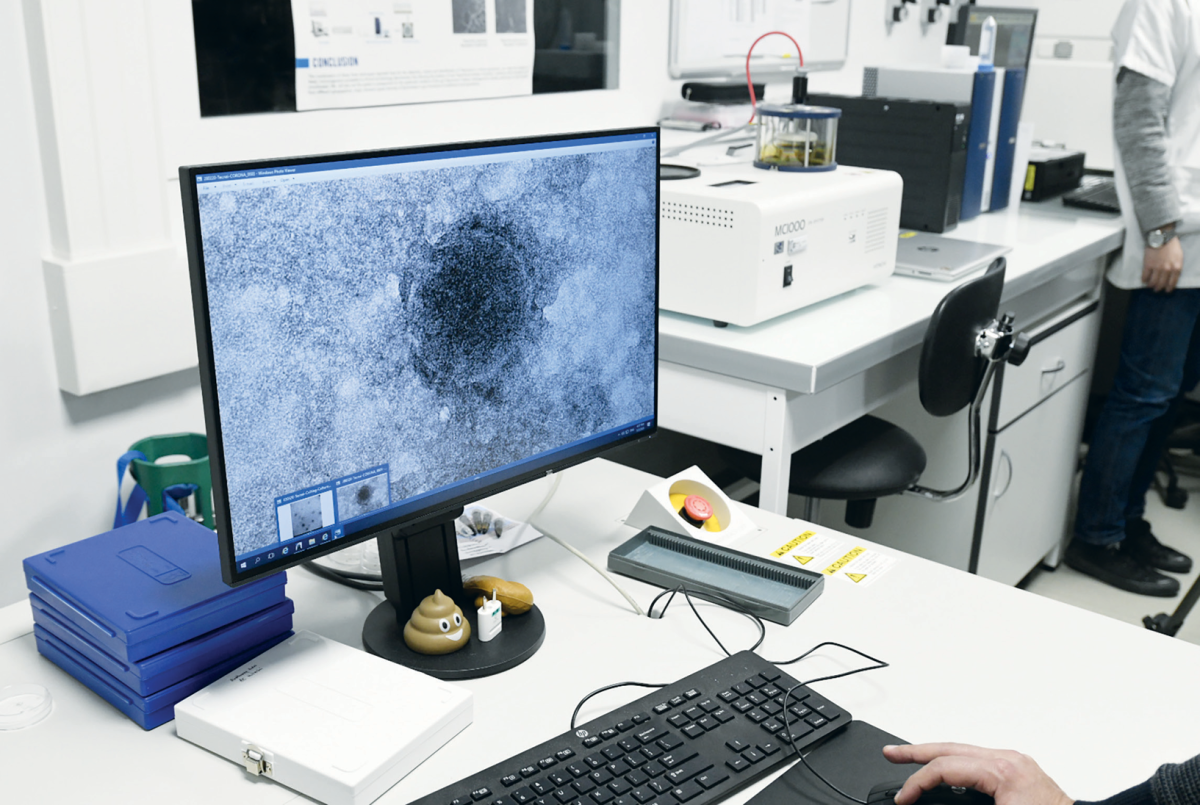
Méditerranée Infection in Marseille
How does the South PACA region stand out in the field of health research?
Medical research is at the forefront with more than 3,000 researchers in immunology, oncology, infectiology and neurology. It brings together 170 laboratories that represent nearly 8% of national scientific production. It is boosted by the two university hospitals of Marseille and Nice, the IHU – Méditerranée Infection, research infrastructures integrated into France-BioImaging, France Genomics and France Life Imaging… Furthermore, Marseille is the 2nd largest French community in neurosciences and the region benefits from 4 university hospital research projects in neurosciences, nephrology, infectiology and cancer – projects labelled within the framework of the PIA. Another field of excellence supported by Marseille Immunopôle, immunology, relies on the Mimabs pre-industrial demonstrator to optimise the development of new drugs against cancer and infectious diseases. On the oncology front, let’s mention the two cancer centres in Marseille and Nice as well as the PACA Cancéropôle supported by the INCA: its more than 650 scientists cover the entire chain, from fundamental research to therapeutic management; as such, they constitute one of the pillars of the regional Cancer Plan approved by the INCA. Finally, the Southern Region has developed a focus of excellence on AI and health with the 3IA Côte d’Azur, which focuses on health and intelligent territories.
How does the Regional Council support health research players?
This support is part of the regional plan for higher education, research and innovation, the new version of which will be adopted before the end of 2022. Its objective is to support innovation and competitiveness in the region through training and research, but also to develop the excellence and influence of laboratories with the support of research players and in line with the Climate Plan, the Health and Environment Plan, the Cancer Plan and the operations of regional interest (OIR), including the one focused on innovative therapies. In addition, the Region has determined dedicated investments within the framework of the CPER (research section), the Cancer Plan (via the regional Cancéropôle), doctoral contracts (with an annual envelope of €4M) and annual calls for research projects on our preferred areas: environmental issues and the fight against cancer.
In your opinion, what are the main challenges for higher education and research in the southern region?
The main challenge is undoubtedly to mobilise even more European funds from the ERDF and Horizon Europe in order to increase public funding, to support the development of research and to attract talent: the co-financing of senior or junior international chairs is precisely planned within the framework of the regional Cancer Plan in order to generate a leverage effect in research on our strategic axes. Increasing European funds means mobilising academic players and supporting them in drawing up responses to European calls for projects in order to increase their success rate and meet the challenges inherent in the development of higher education and research in the region. The Region is already hard at work in this field: with a Europe unit and a representation in Brussels, it has already significantly increased the share of European credits for regional projects at the end of the last mandate. Let’s bet that we will do even better in the next five years!
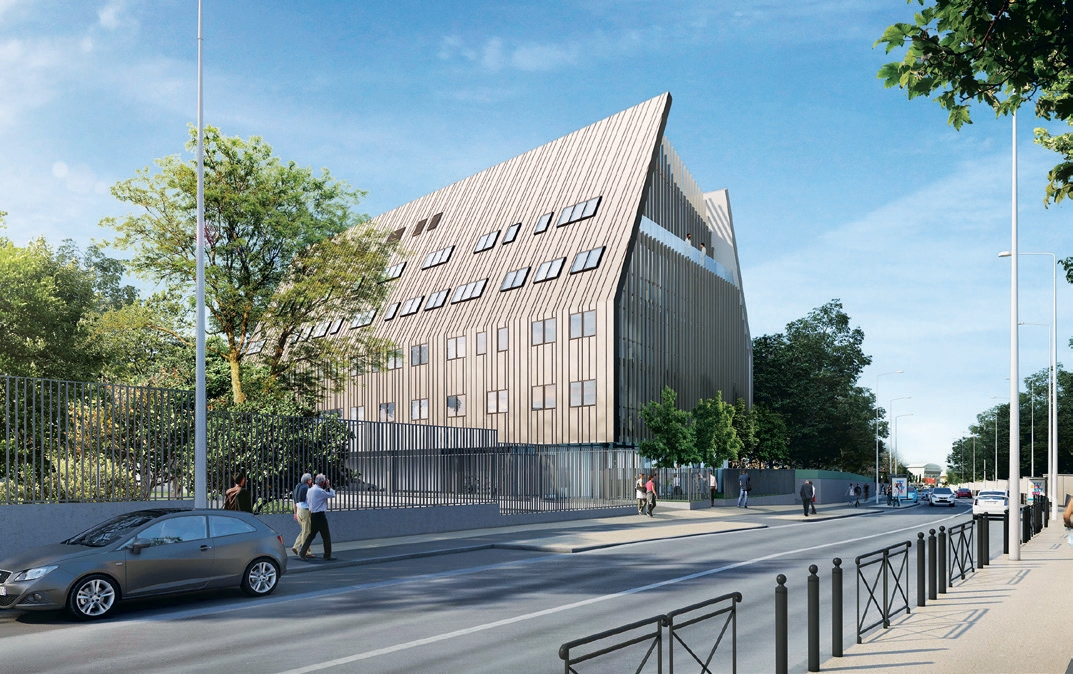
Inserm Fight Cancer building
Originally published in ©Parlementaires de France Magazine, now ©Research Innov France.
