
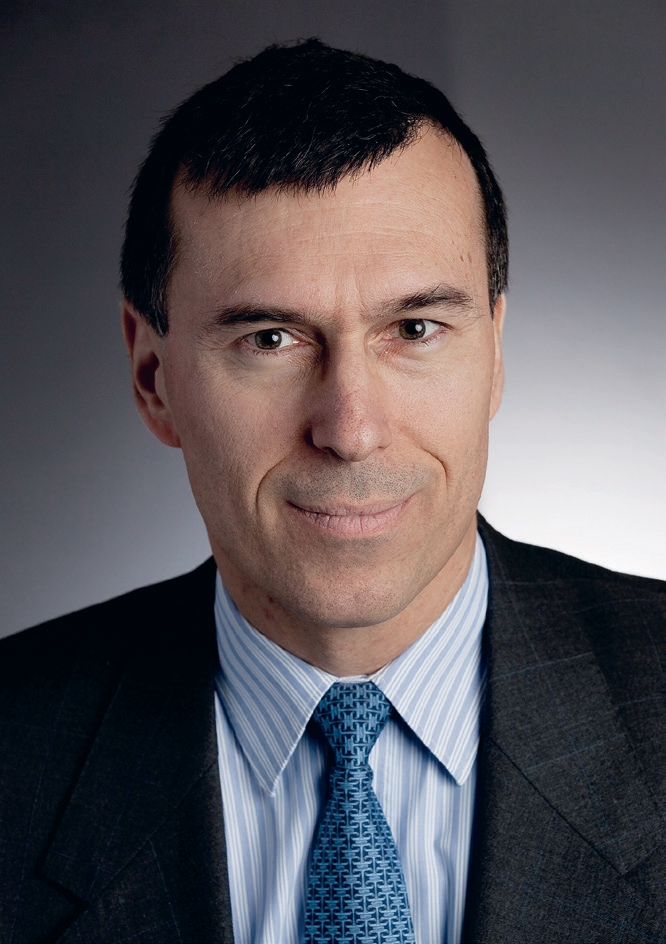
An interview with Mr. Sylvain BOUCHER, President of the Aqua-Valley Cluste
Supporting the territories Hydric Transition through innovative solutions
What are the key figures and strategic axes of the Aqua-Valley cluster?
Created in 2011, the Aqua-Valley cluster has 245 members, including 225 companies (84% of which are VSEs, SMEs and startups) representing 4,000 employees and €1.5 billion in turnover. It is one of the 3 founding members of France Water Team, the competitiveness cluster for the water sector, and brings together all the professions in the sector. In addition, it has approved 98 R&D projects for a total budget of nearly €160 million and its team of 10 people is very active in organising some 150 events per year. The Aqua-Valley cluster has identified 4 strategic areas: the identification and mobilisation of water resources, the concerted management of these resources and their uses, the reuse of water from all sources (quality, identification and treatment of pollution), institutional and societal approaches to water and its uses (societal acceptance of innovative solutions for water treatment).
Could you present your service offer to us?
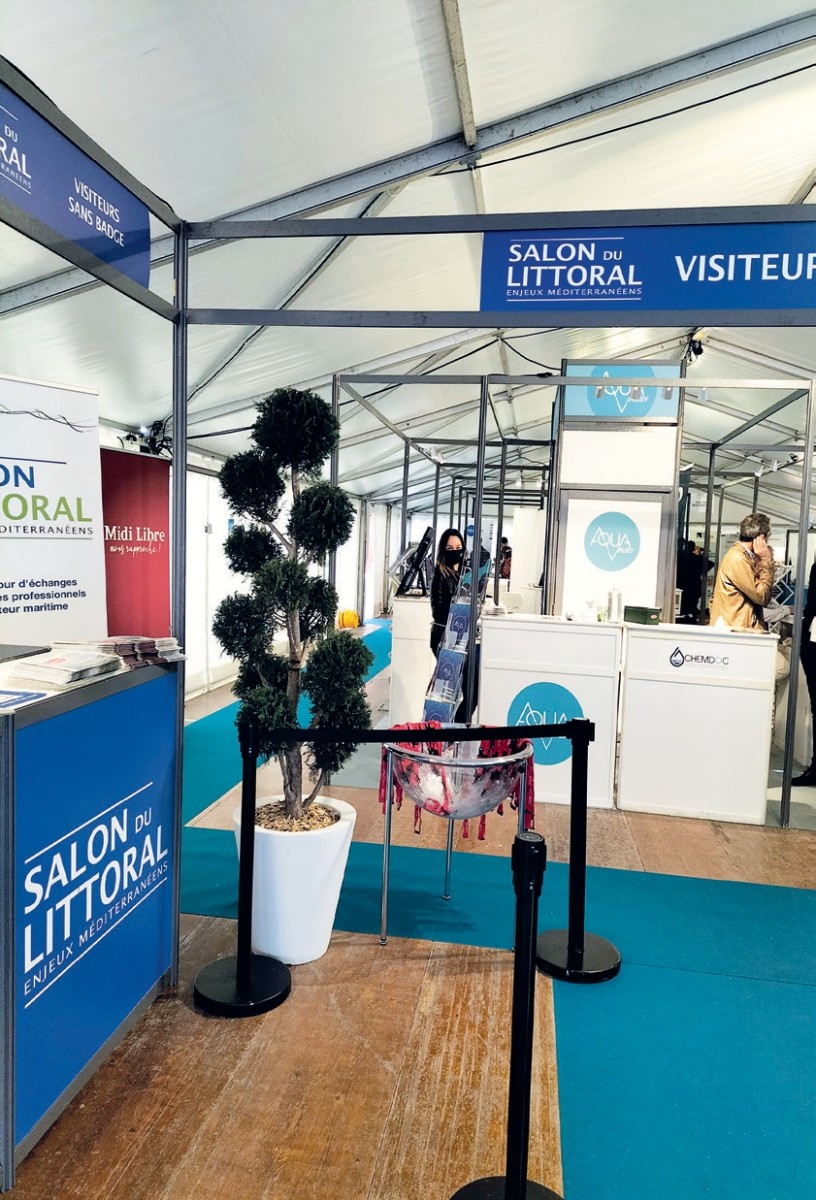
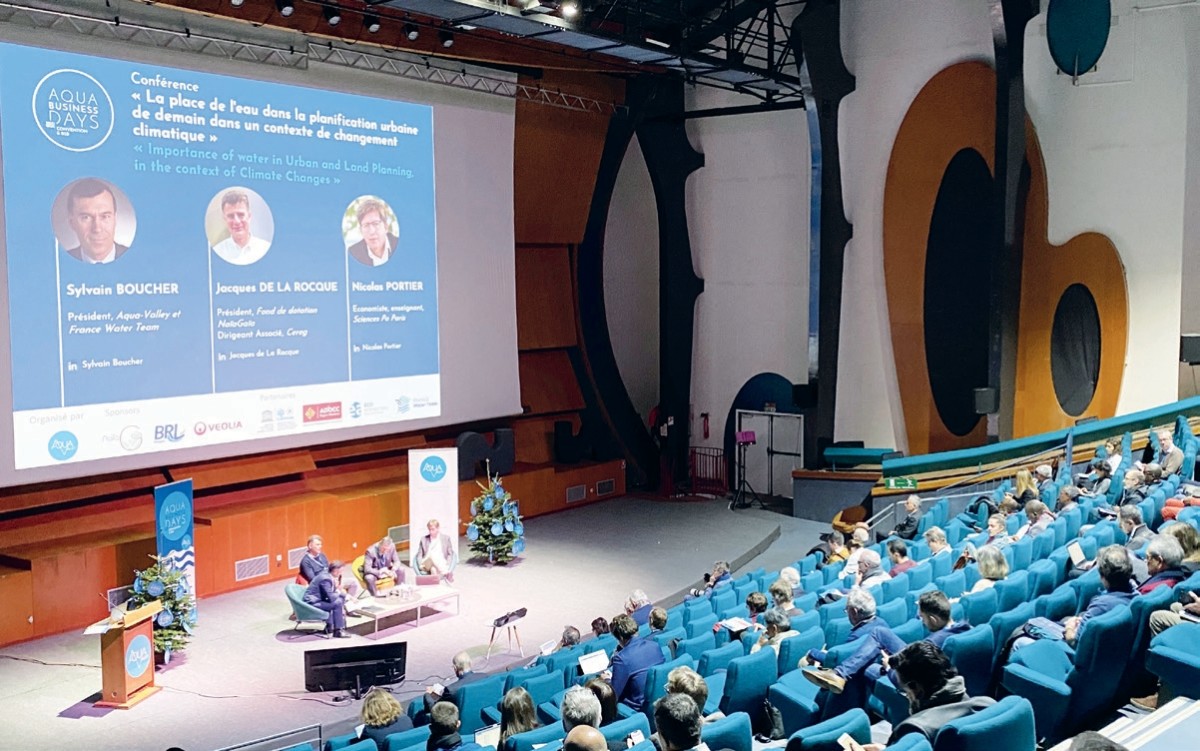
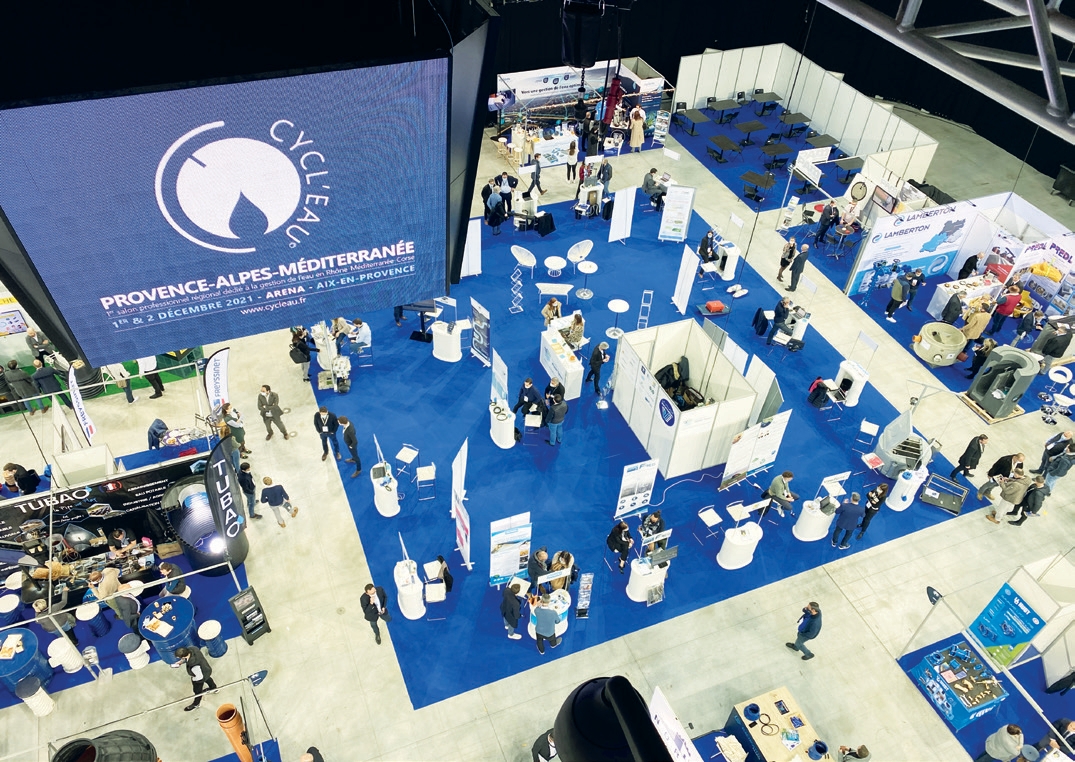
Dedicated, like all clusters, to collaborative innovation, Aqua-Valley supports the economic development of companies to enable them to respond to market needs. Aqua-Valley is a network facilitator with participation in trade fairs, the organisation of technical days, conferences, meetings and training-actions to encourage the creation of innovation consortia and access to new markets. It supports companies in their innovation, export, growth, European project development, standardisation and CSR integration processes to increase their capacity to respond to calls for tender. Within the framework of the AQUARHESE project, it ensures the proper application of the quality charter for water and wastewater networks, and feeds the reflection on the integrated management of rainwater or the efficiency of networks in urban areas. It also represents its member companies on the strategic committee of the Water sector, the French Water Partnership and the Mediterranean Water Institute. It is also a partner in several international business clusters. Finally, it supports all events likely to promote the sector, such as the hackathon organised by the UNESCO International Centre for Water in Montpellier – ICIREWARD: the 5th edition took place this year with 410 participants from 17 countries and 3 continents. The annual AQUA SÛRETÉ forum in Nîmes also benefits from our support. All these events are converging on the Aqua Business Days that we organise annually.
Could you give us some examples of projects labelled by the Aqua-Valley cluster?
The reuse of treated wastewater is addressed in many projects such as Irrialt’eau (reasoned vine irrigation), SmartFertiReuse (open field fertigation on 30 ha) or Zeus (treatment and recycling of industrial process waters). For its part, the Neophil project focuses on the design of a new generation of hydrophilic hollow fiber membranes for the filtration and recycling of urban wastewater, Matrics concentrates on the definition of flow models in sewage networks with a view to anticipating their ageing, while Sirhyus focuses on the great water cycle to identify the reserves built up in winter, compare them with the needs of farmers and prevent possible risks of shortage. Other projects address the development of a tool for managing network assets, a solution for the rapid detection of pollutants such as cyanobacteria, and tools for more efficient management of industrial or public water uses.
What are the challenges linked to the economic development of the regional water sector?
For our member companies, there is a triple challenge to access international markets, European funding and public orders, which are reluctant to be the first to use an innovation. They must also integrate water scarcity and generalise reuse and recycling practices in all areas in order to reduce their water footprint. According to the UN, 78% of economic activities depend on water. It is therefore urgent to innovate on a large scale to share and save water: controlled recharging of aquifers, recovery of rainwater, reuse of treated wastewater for irrigation, urban watering and washing. We must also improve our knowledge of new pollutants (microplastics, fungicides, drug residues) to better eliminate them. Finally, it is crucial to identify the training courses that will meet the needs of tomorrow’s professions – professions that will be strongly affected by the digital revolution – and to support the hydric transition of the territories for better management and sustainable sharing of water resources.
Originally published in ©Parlementaires de France Magazine, now ©Research Innov France.
