
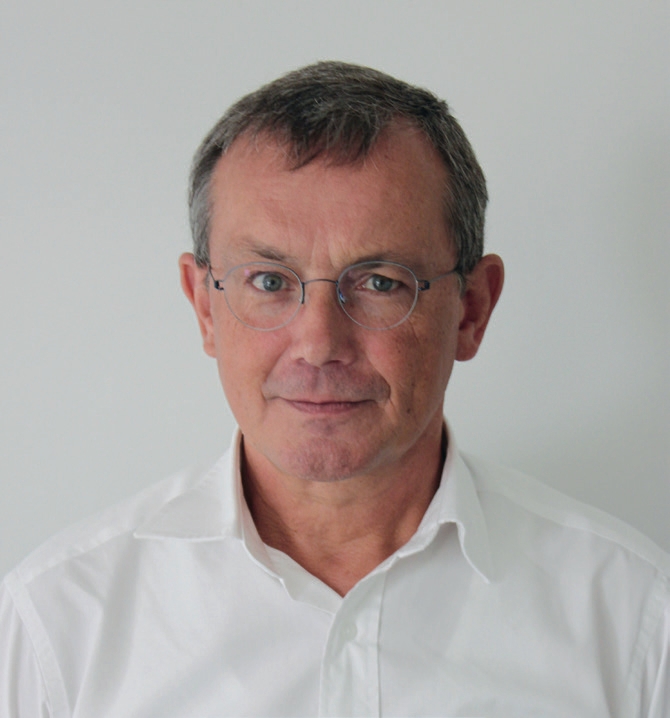
Interview with Mr Philippe WALTER, Regional Delegate for Occitania at the Aerospace Valley competitiveness cluster.
Space and AI applications for the benefit of the economy
Could you tell us about the cluster’s key figures and areas of excellence?
Aerospace Valley brings together 800 members including 600 SMEs. At the interface between 3 national sectors (aeronautics, space, drones and new uses) and two regional ecosystems (New Aquitaine and Occitania), it has identified 5 ecosystems of excellence: embedded and communicating systems (45% of approved projects), data economy and AI, the industry of the future, propulsion and embedded energy (electrification of aircraft and satellites) as well as structures, materials and mechanical systems.
Since its creation in 2005, it has approved more than 1,000 projects, 600 of which have received public funding totalling €1.5 billion. The cluster is also very active at European level: in 2018 it submitted its 100th project to the European Commission with a success rate of 40%, four times the average success rate.
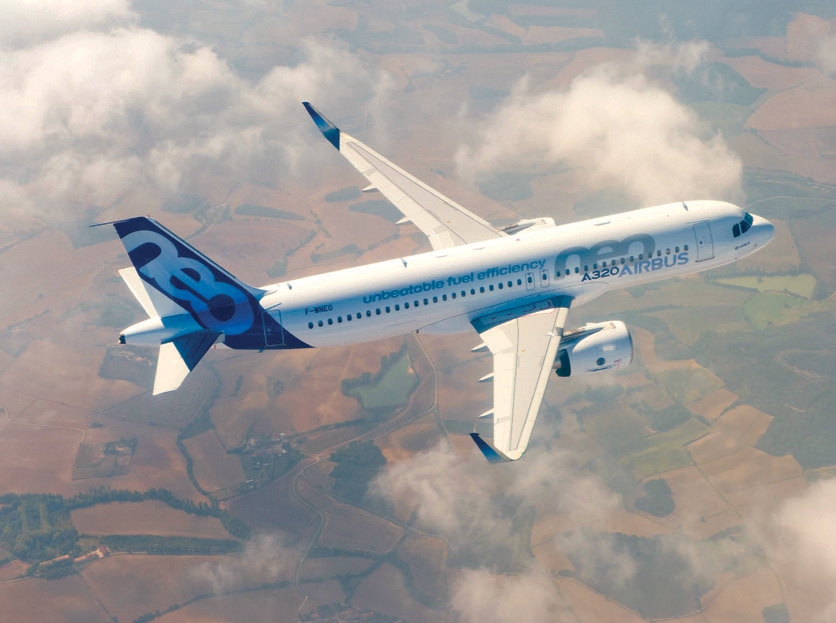
First flight of the Airbus A320 Neo
Could you give us a few examples of research projects in progress?
We have just closed a call for a feasibility study to determine whether an R&D project is “business wise”. 37 dossiers were submitted, including solutions integrating space IoT, electrification and propulsion, functionalised thermoplastic materials of the future and the challenges of autonomy and mobility. This call is also of interest to the automotive industry: the management of fleets of autonomous vehicles could benefit from a technology transfer from aeronautics through the cluster, and vice versa.
What is your skills offering in the field of Artificial Intelligence?
The “Data Economy and AI” ecosystem is developing new space applications such as geolocation for agriculture, the sorting of satellite images, and motion detection. The cluster has also played a key role in the creation of ANITI (the 3IA Institute in Toulouse), where it is piloting industrial partnerships and technology transfer. In November 2019, we organised a meeting between ANITI and 67 SMEs and startups, expected to become research partners or future clients. This event enabled more than 200 B2B meetings between startups and major groups like Bpifrance and SATT Toulouse Tech Transfer.
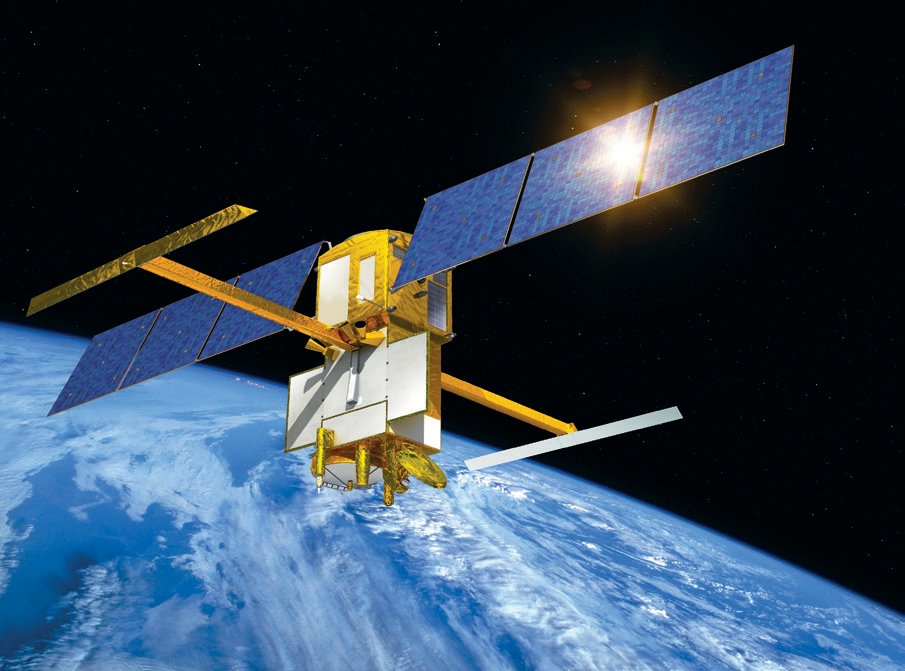
The Swot satellite
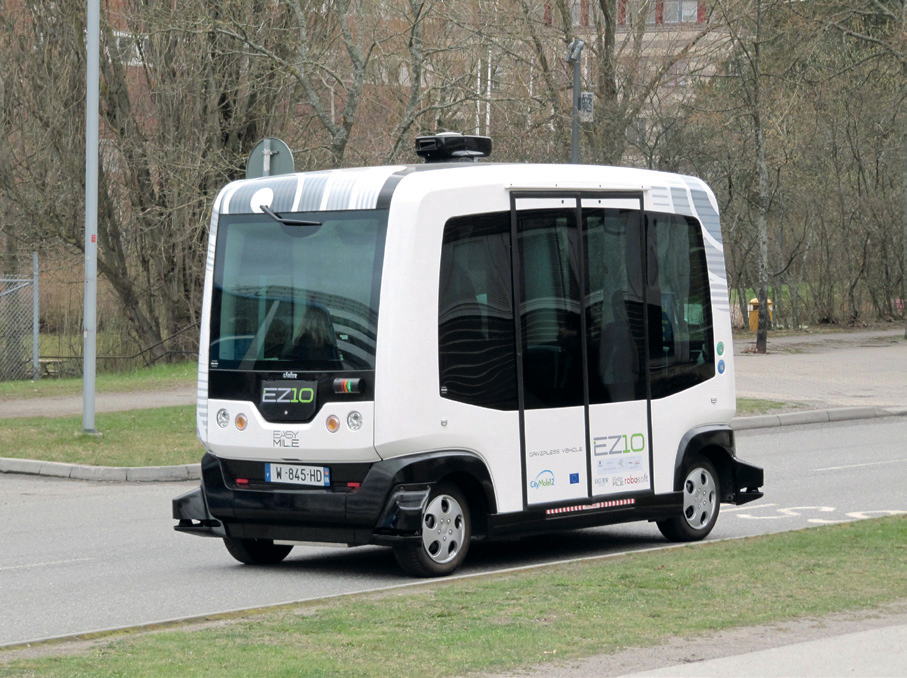
EZ10 Driverless Shuttle on display in Kista, a district of the city of Stockholm in Sweden
What is your expertise in the industry of the future?
Our members have developed skills in multiple facets of Industry 4.0: robotics, digitalisation, and additive manufacturing. The cluster relays calls from EIT Manufacturing and leads several initiatives to educate managers: the showroom at the Maison de la Formation Jacqueline Auriol in Toulouse, digital transformation plans, and the creation of the shared platform Addim-Alliance with 6 research centres in additive manufacturing.
What major challenges do you anticipate in your areas of expertise?
In aeronautics, we face the dual challenge of increasing production rates and reducing costs through new thermoplastic materials and implementation processes like bonding and welding. In addition, the integration of AI heralds the introduction of the virtual or remote co-pilot for long flights. Industrial excellence 4.0, air traffic optimisation, individualised maintenance, and the ecological transition (alternative fuels, electrification) are also key priorities.
Regarding space, initiatives include the launch of nano-satellites for environmental applications and space traffic management to regulate satellite constellations. Finally, for drones, the challenges include high elongation for remote surveillance, energy autonomy, and the development of Urban Air Mobility (drone taxis), which raises safety and traffic control concerns. Many of these technologies have dual applications, serving both the civilian and defence sectors.
Originally published in ©Parlementaires de France Magazine, now ©Research Innov France.
