Agrosciences, plant sciences, food: the time is ripe for innovation in agricultural production. This is essential at a time when farming practices are shifting towards those that are more respectful of the planet and animal welfare. It’s a new awareness which the players in Brittany and the Loire are actively supporting.
Agriculture: on the road to agro-ecological and food transition
Making Brittany the region for producing and eating well, while ensuring food sovereignty: this is the ambition of the Region through the 4th strategic structuring innovation area of the regional research and innovation strategy, known as the S3 (Smart Specialisation Strategy) 2021-2027: “The food economy of eating well for all”. This area is divided into 5 main areas: new agricultural production systems, precision agriculture, upstream to downstream, the consumer of tomorrow and the agri-factory of the future. With this in mind, the Region is supporting the development of the food industry with a view to achieving both economic and environmental performance. To ensure the renewal of generations while continuing the agro-ecological transition, it is working with regional players to achieve the target of 1,000 assisted start-ups per year by 2028. This is a welcome commitment for the region’s 26,335 farms and beef farms, a third of which are committed to the agro-ecological transition, and for the 20 million consumers it serves.
In 10 years, Brittany has doubled its organic farming area. There are 3,620 organic farms and 3,830 farms involved in quality schemes (PDO, AOC, PGI, Label Rouge). What’s more, 9,000 farms receive support under the Plan de Compétitivité et d’Adaptation aux Exploitations Agricoles (Competitiveness and Adaptation Plan for Agricultural Holdings) and 5,500 via agro-environmental and climate measures (MAEC). These are just some of the measures being taken to promote the agriculture of tomorrow.
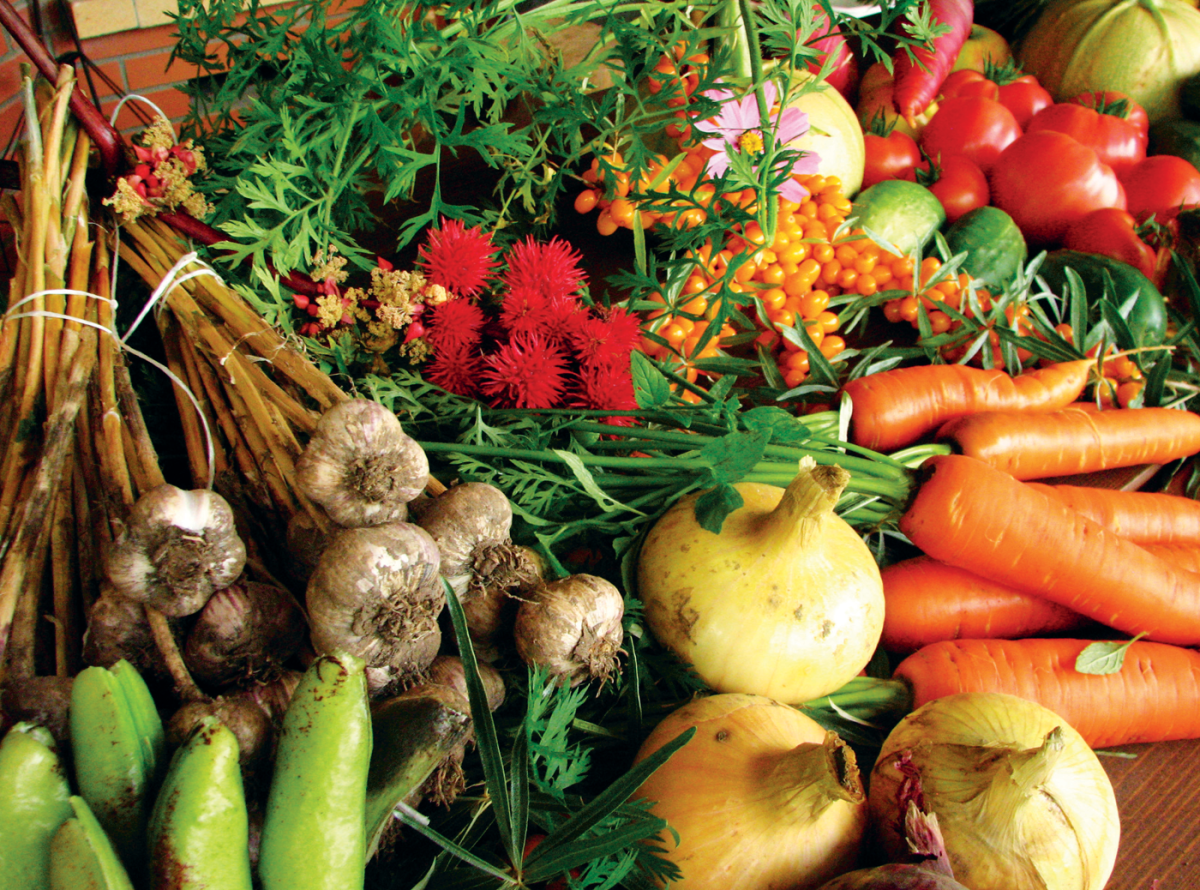
Organically grown fruit and vegetables
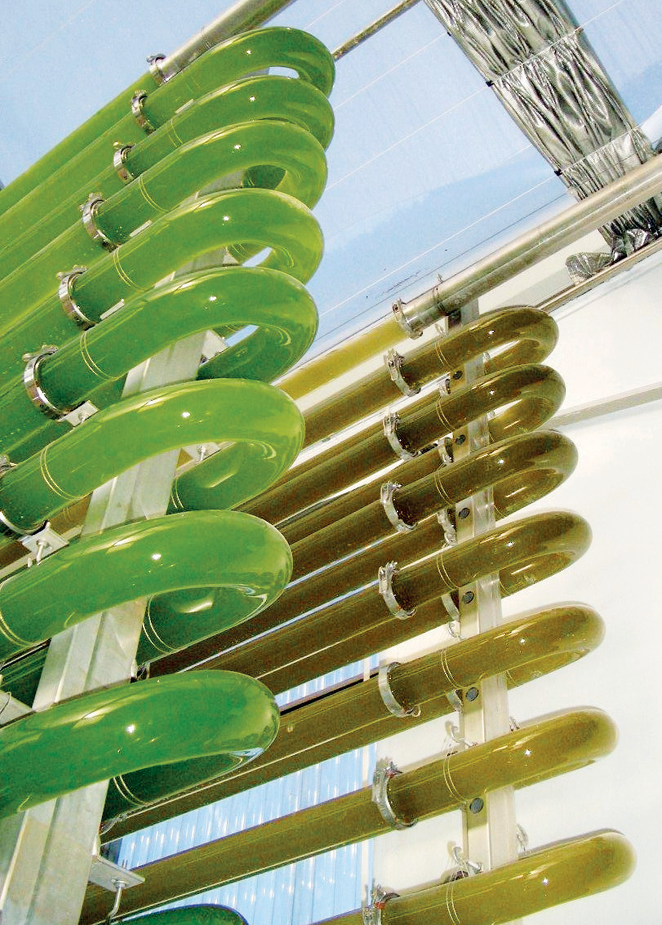
The photobioreactor is a system for producing photosynthetic micro-organisms suspended in water, such as eukaryotic microalgae.
Digital technology and agriculture and the food industry
Improving the competitiveness of agricultural and agri-food businesses by integrating digital technologies: that’s the mission of Bretagne Développement Innovation (BDI). Since 2018, the Brittany Region has entrusted the regional agency with the development of the “Agri-food Factory of the Future” programme, which aims to step up the modernisation of agri-food industrial facilities. BDI is also piloting the regional AGRETIC programme, in collaboration with Brittany’s Chambers of Agriculture and the Valorial competitiveness cluster (see box). This programme, launched by the Brittany Region in 2011, encourages the emergence of projects between companies in the agriculture and agri-food sectors and digital and electronic solutions providers in Brittany. Over the past five years, BDI has opened up the AGRETIC programme to Europe, with a strong involvement in several networks and the arrival of European tools such as the S3FOOD call for projects and the ERA-NET ICT-AGRI-FOOD to support companies in their innovation projects. In addition, BDI offers its services to companies with 4 objectives in mind: raising their profile, doing business, looking to Europe and developing their skills. Its track record is already impressive, with 69 collaborative or experimental projects supported, €10.7m in funding for projects, including €3.1m from the Brittany Region, and 158 agri-machinists, distributors and 88 equipment manufacturers from the Breton agri-food sector.
Food process engineering
One of France’s leading research units in process and bioprocess engineering, the GEPEA – GEnie des Procédés Environnement – Agroalimentaire (Nantes University, IMT Atlantique, Oniris, CNRS) employs more than 220 researchers and engineers and carries out research in partnership with national and international public and industrial bodies. With around a hundred publications a year, ten or so patents, several innovation awards and 3 start-up companies, the GEPEA joint research unit has 5 scientific teams focusing on processes for bioresources (including microalgae) and ecotechnologies. The MAPS2 team: Matrices & Aliments: Processes/Properties/Structure/Sensory team uses its multidisciplinary skills to develop processes for transforming (bio)polymer matrices for two major fields of application: food and materials. Three main families of processes are developed: thermal and thermomechanical processes, athermal processes and organoleptic deconstruction processes. In the field of innovation, GEPEA relies on a number of platforms, including AlgoSolis (for the controlled, intensified, sustainable and large-scale exploitation of micro-algae), Flavor (to understand the perception of food flavour and the link between chemical stimuli and the consumer’s sensory response) and Baking (research and collaborative projects on cereal products), as well as the Mixi-Lab LabCom, which aims to optimise and scale up continuous and batch mixing equipment: the aim is to develop continuous machines for the production lines of tomorrow’s factories (additive construction equipment such as 2D and 3D printers). GEPEA’s work is highly complementary to that of the INRAE Pays de la Loire Centre: located at the heart of one of Europe’s leading agricultural, horticultural and agri-food regions, the Centre has built its identity around the sustainable management of the health of agricultural production (plant and animal), the sustainable processing of agro-bioresources (food and materials) and the health and nutritional quality of food.
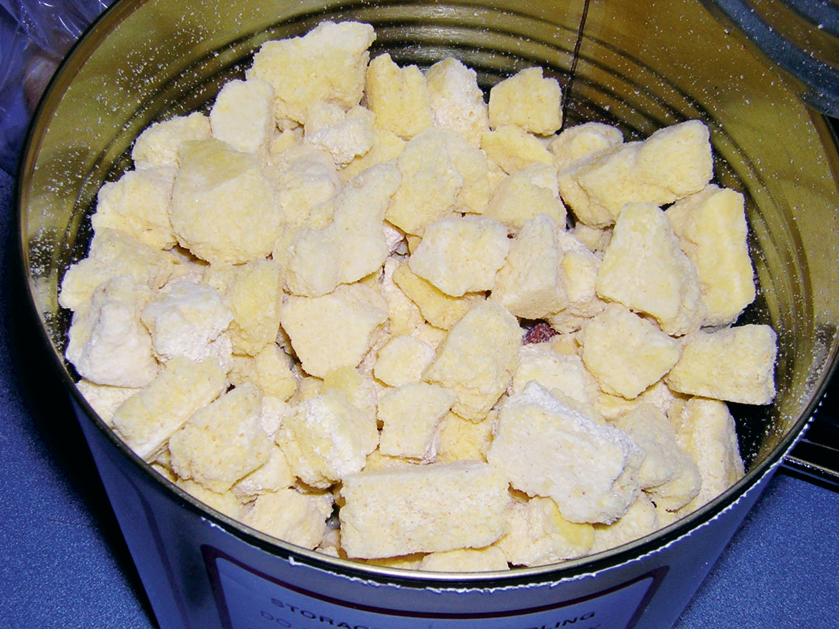
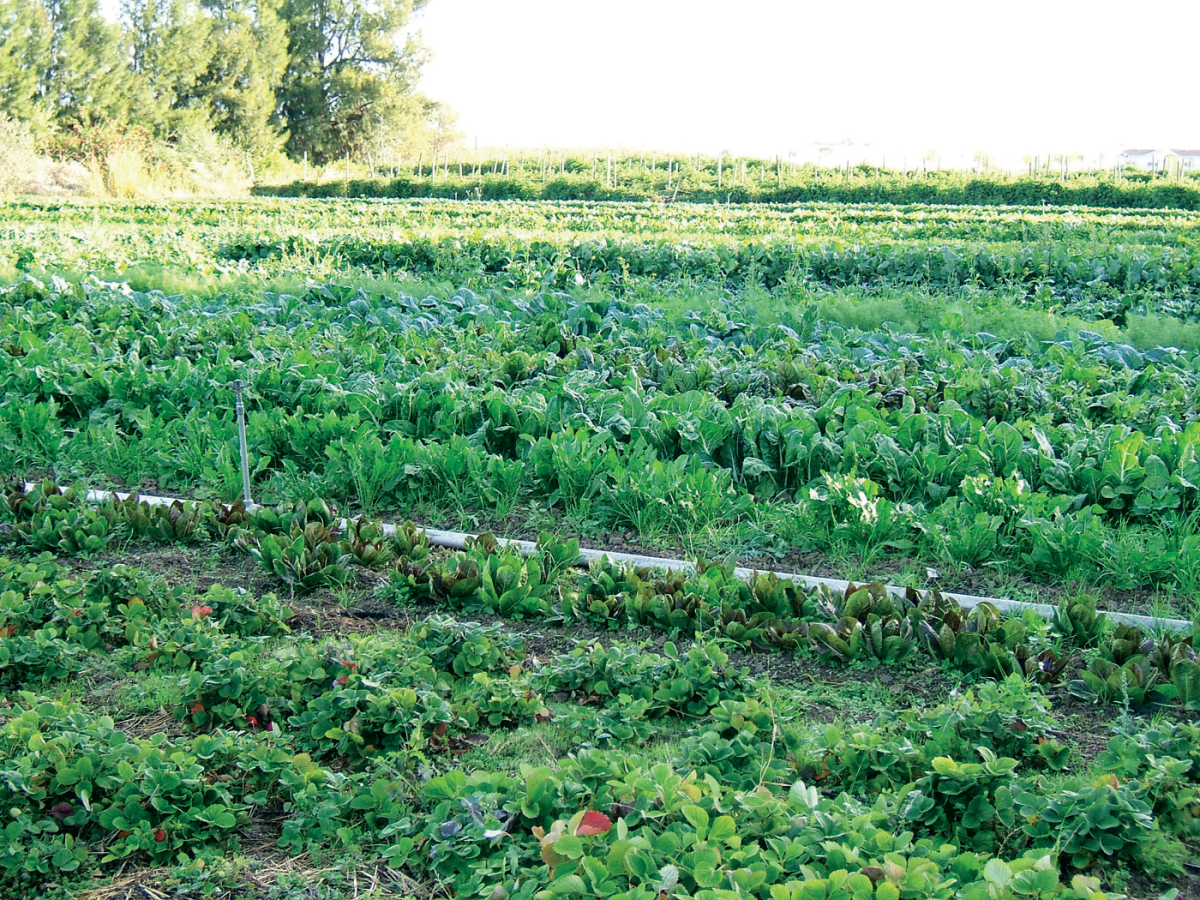
An organically farmed field
Targeted regional support
Like its counterpart, the Pays de la Loire Region has set up dedicated schemes to support innovative projects in response to specific issues: the call for projects “Experimental development in agriculture for more sustainable agriculture”, the call for projects “Aquaculture – Fisheries”, the call for projects “Sectors – PIA4”, the call for projects “Innovation – PIA 4”, as well as the regional call for projects “Pays de la Loire – Territorial food projects” to encourage local and quality short food circuits, not forgetting the support for projects labelled by competitiveness clusters with a view to disseminating innovation in SMEs and throughout the region. These initiatives are supported by its many partners: Entreprises en Pays de la Loire (a CCI scheme), Solutions & co, the regional economic development agency, Angers Technopôle, Laval Mayenne Technopole, Technopôle Nantes Atlantique, Cap Aliment (food innovation), the Technocampus Alimentation, the Valorial competitiveness cluster, the Végépolys Valley competitiveness cluster, the Syndicat Mixte pour le Développement de l’Aquaculture et de la Pêche en Pays de la Loire (SMIDAP) and, of course, the Pôle Mer Bretagne Atlantique. Cross-disciplinary expertise for tenfold efficiency.
Valorial: Cluster for the promotion of food research and innovation
Valorial is the first network dedicated to collaborative agri-food innovation, bringing together 400 members and a community of more than 10,000 “innov’actors” to work on smarter food. Since 2006, this competitiveness cluster based in Rennes has been supporting the development of projects in 6 priority areas of innovation: preserving natural resources and adapting production to climate change; deploying technologies for operational excellence on farms and in factories; ensuring safe, healthy and sustainable food for better eating; developing agro-ecological methods of animal and plant production; adding value to resources and co-products as part of the bioeconomy; and offering innovative food uses and services. What’s more, its “industry” approach means that it can cover the full range of innovation issues (milk and by-products, meat products, bakery products, biscuits, Viennese pastries, egg products, fruit and vegetables, aquatic food products, etc.). Each year, Valorial awards its seal of approval to around thirty collaborative innovation projects spread across the 5 areas. Among them, TexSens (UBO Economics and Management Laboratory, IMT Atlantique, Adria Développement agri-food expertise centre and 7 industrialists) aims to understand how adult consumers perceive and evaluate the texture of food products, Tank2020 (Serap Industries) is preparing the milk tank of the future and aims for a considerable reduction in operating energy costs, while the AAginov project (Solina) is developing innovative and tasty solutions to combat malnutrition in the elderly. These are just some of the promising avenues explored by this cluster, which draws on the synergies created between 400 manufacturers, 60 partner European clusters, 8 members of the Partners Club, 25 thematic experts, 4 partner trade associations (ANIA, ABEA, AREA, LIGERIAA), 3 partner regional innovation agencies and 50 research bodies.

Originally published in ©Parlementaires de France Magazine, now ©Research Innov France.
