
An interview with Prof. Abdelhakim ARTIBA, President of the Université Polytechnique Hauts-de-France (UPHF)
Fostering academic and industrial synergies
How is research organised at UPHF?
Resolutely interdisciplinary and transdisciplinary, research is spread across 4 major laboratories, including 2 CNRS UMRs: CERAMATHS (ceramic materials and mathematics), IEMN UMR CNRS 8520 (micro and nanotechnologies), LAMIH UMR CNRS 8201 (sustainable transport and human mobility) and LARSH (societies and humanities). In addition, UPHF’s research and innovation strategy is defined by three strategic hubs addressing major societal challenges in line with the UN’s sustainable development goals, the Horizon Europe programme and the regional research and innovation strategy for smart specialisation: Health and Care of the Future; City, Mobility and Territory of the Future; Industry of the Future, Eco-responsible Materials and Associated Processes. The UPHF also hosts nearly 250 doctoral students and has 2 thematic chairs: TEC-LOGd on transport, the circular economy and sustainable supply chains (with the Communauté d’Agglomération de Cambrai and the Hauts-de-France Region); Spatial Intelligence (which analyses space and spatialities to explore contemporary societies); and Tourism and Heritage Development, created with the support of the Communauté d’Agglomération de La Porte du Hainaut (CAPH) to promote sustainable tourism in an area with a rich industrial heritage.
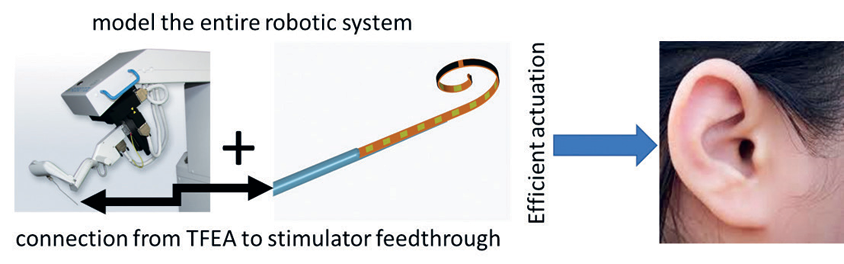
Robotic cochlear implant
How does the UPHF promote its training and research?
We work with a number of partners to support student entrepreneurs: the Medef, the Transalley technology park, which stimulates innovation in sustainable mobility and transport in Valenciennes, and of course Valutec, our own innovation and technology transfer subsidiary. We also work closely with our 4 research laboratories to make the most of the results of their work. In the field of entrepreneurship, awareness-raising, training and support initiatives are organised for researchers and doctoral students. The UPHF is also a partner of the regional innovative business incubator MITI, which provides support and financial backing for the creation of innovative projects.
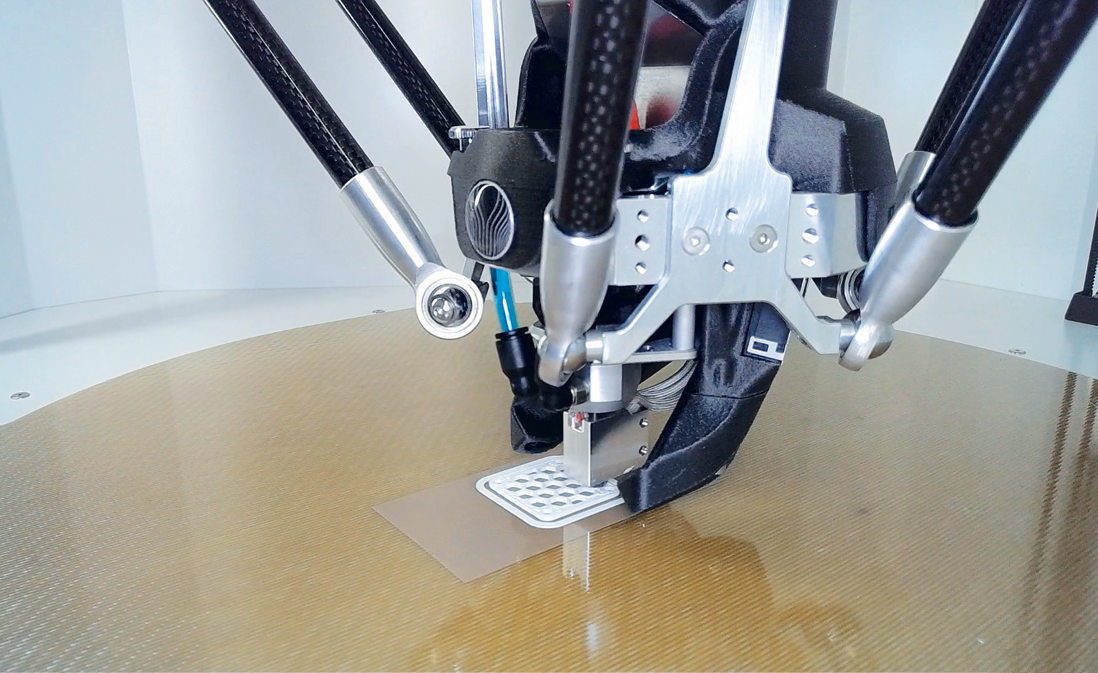
3D printing of ceramics
Could you tell us about the activities of the Fondation Partenariale Polytechnique Hauts-de-France?
Its mission is to raise funds for students and, more specifically, to support educational excellence and research, with an ongoing commitment to social and environmental issues. Three students have recently been supported by the Foundation, and one of them has even set up a company to manufacture solvents with new formulations for both industry and consumers. In addition, the UPHF Hubhouse organises the annual 48h Chrono Challenge: at the beginning of December, 140 students in 10 teams were given 2 days to come up with an idea for a new business. This year’s theme was ‘How to improve the customer experience at events’. The Foundation awarded the 2024 Entrepreneur Prize to the ‘Festi’Bag’ project, a secure, eco-responsible bag designed by 13 students to enable everyone to enjoy festivals, concerts and events of all kinds with peace of mind.
The UPHF is also very active internationally. Could you tell us more about this?
I took part in the French President’s official visit to Morocco from 28 to 30 October, and I also took part in the regional delegation to Japan, led during the week of 25 November by the President of the Hauts-de-France Region, Xavier Bertrand, and the Vice-President for International Relations, François Decoster. This mission was in response to the Japanese delegation, which had visited the region two months earlier. I have also been to Kuwait and recently received a delegation from BRIN, Indonesia’s national research and innovation agency. The IEMN and the LAMIH, together with the CNRS, are planning to set up a Labcom in this dynamic archipelago of 17,000 islands, and it is in France’s interest to develop academic, industrial and commercial relations with Indonesia. There are already plans to host post-doctoral students, create synergies around our shared areas of specialisation (transport and mobility) and set up joint projects with Air Liquide, Dassault Aviation and Alstom. Finally, on the European side, since November 2024 I have been running EUNICE: this alliance of ten universities has agreed to sign an agreement with Morocco’s Mohammed VI University to open up to Africa. These are exciting prospects for education, research, innovation, technology transfer and industrial collaboration!
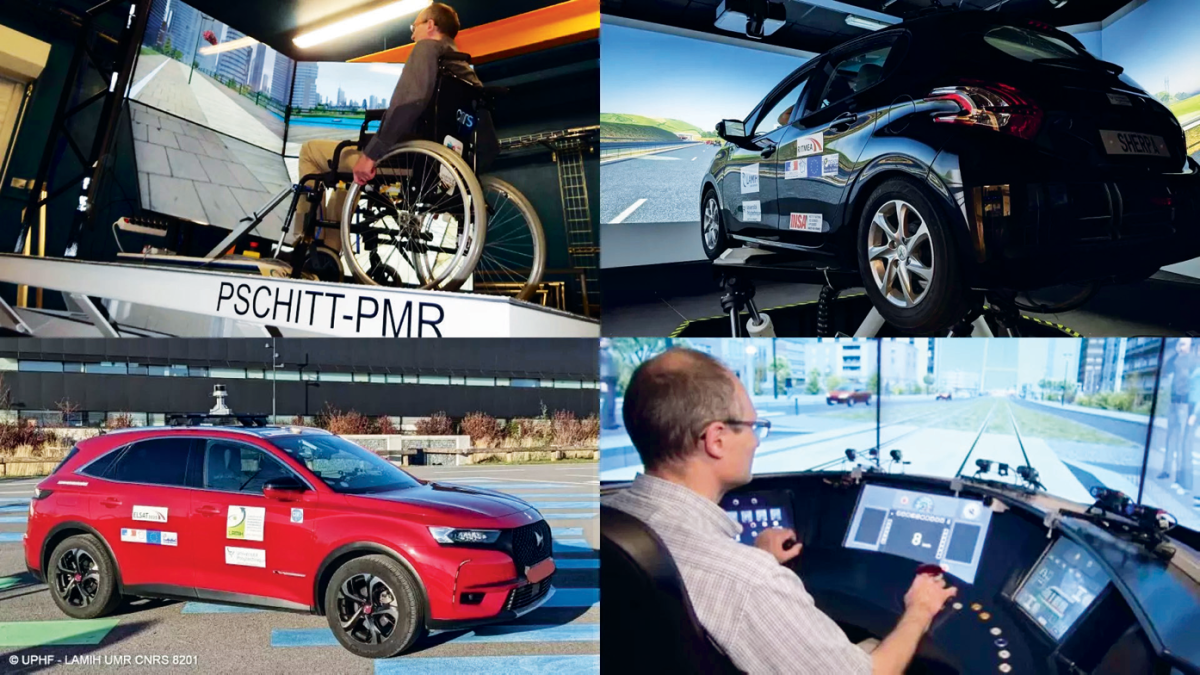
Mobility and autonomy are at the heart of LAMIH’s research.
Originally published in ©Parlementaires de France Magazine, now ©Research Innov France.
