
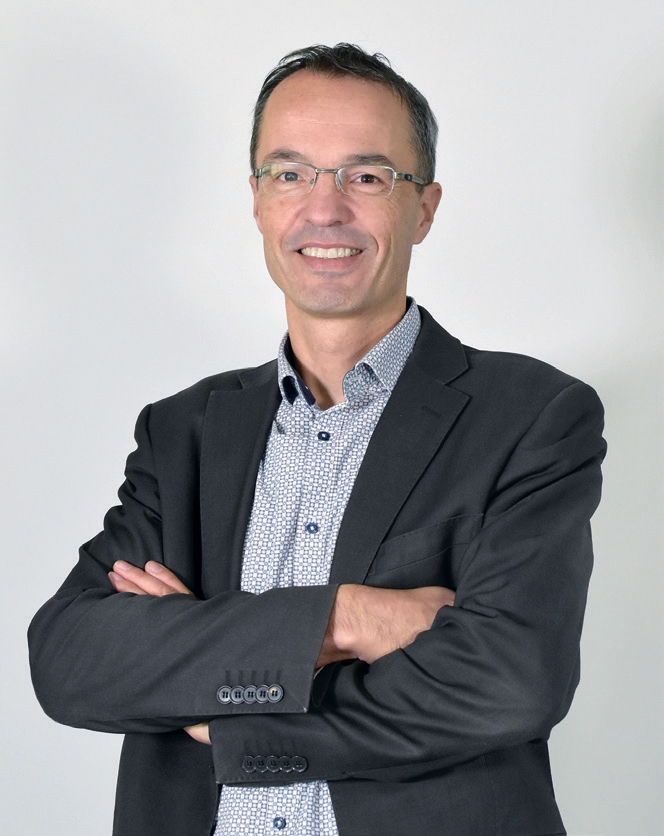
Fostering the hybridisation between Artificial Intelligence, materials and system engineering. Interview with Mr Denis DESCHEEMAEKER, Director General of the IRT Saint Exupéry.
IRT Saint Exupéry
What are Saint Exupéry IRT’s technological fields and key figures?
The Technological Research Institute (IRT) Saint Exupéry accelerates science, technological research and transfer to the aeronautics, space and embedded systems industries for the development of dependable, robust, certifiable, sustainable and innovative solutions. Spread over five sites (Toulouse, Bordeaux, Montpellier, Sophia Antipolis, Montreal) supported by eleven technology platforms, it is structured into four key technology domains: high-performance multifunctional materials, more electrical aircraft, intelligent systems & communications, and systems engineering & modelling.
The hybridisation of these disciplines makes it possible to develop joint projects on Artificial Intelligence (AI) for materials or system engineering, materials for more electric aircraft, etc. With a staff of 376 people, the IRT Saint Exupéry carries out more than 62 projects involving 53 academics and 103 industrialists, with an annual budget of around €40 million. In addition, more than 40 theses have been completed with the support of partner laboratories.
Could you give us some examples of collaborative research projects between industrialists and academics?
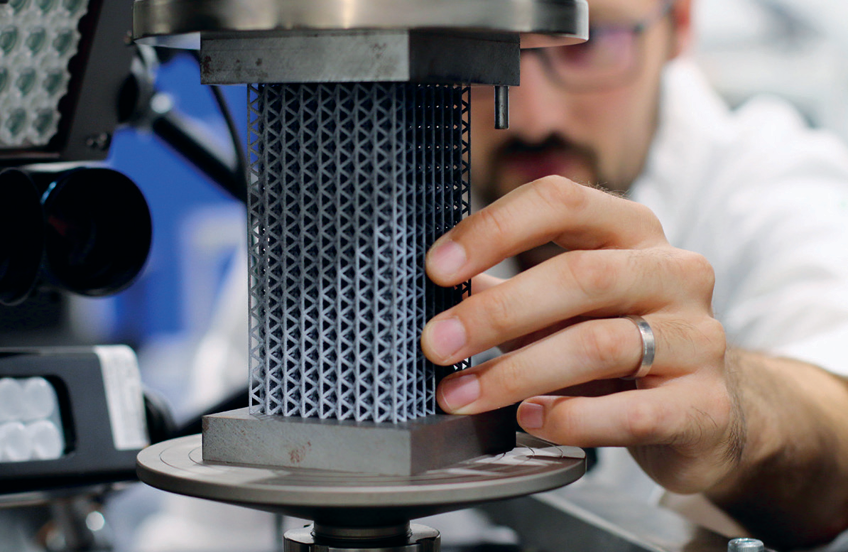
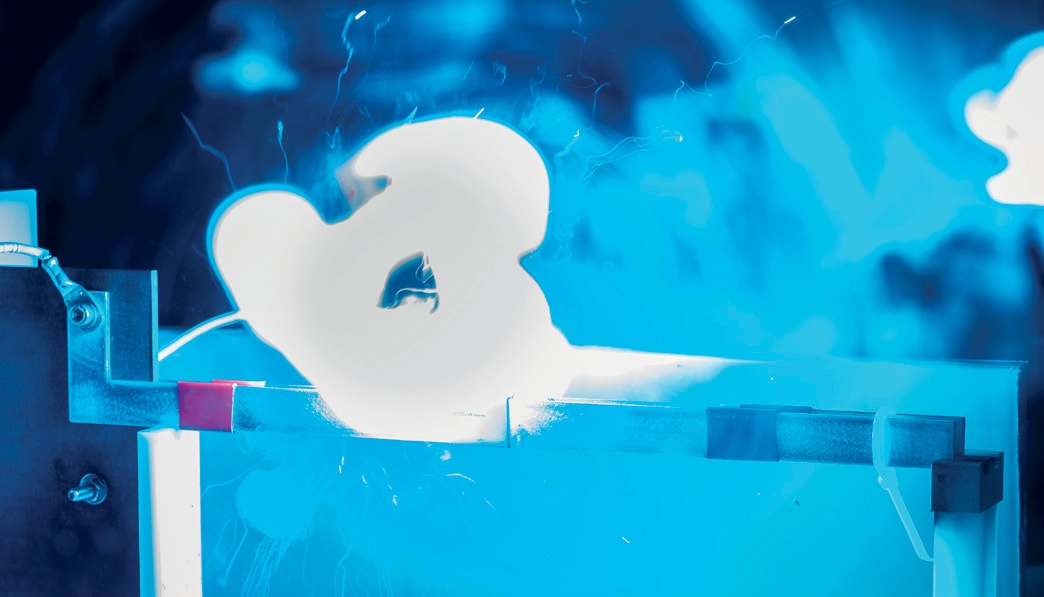
The ANDDURO project focuses on metal additive manufacturing technologies on a powder bed by laser fusion or electron beam. The HIGHVOLT project focuses on the study of physical phenomena amplified by high voltage and pressure drop due to altitude that can cause failures, allowing industrialists to control the risks and reliability of future electrical chains. The SYNAPSE project investigates new AI techniques and infrastructures for the implementation of AI algorithms in the field of space. Finally, the MDA/MDO project will produce methodologies and algorithms for multidisciplinary analysis and optimisation applicable to aeronautics as well as a generic research software platform.
Could you tell us about IRT Saint Exupéry’s involvement in the 3IA ANITI through the DEEL project?
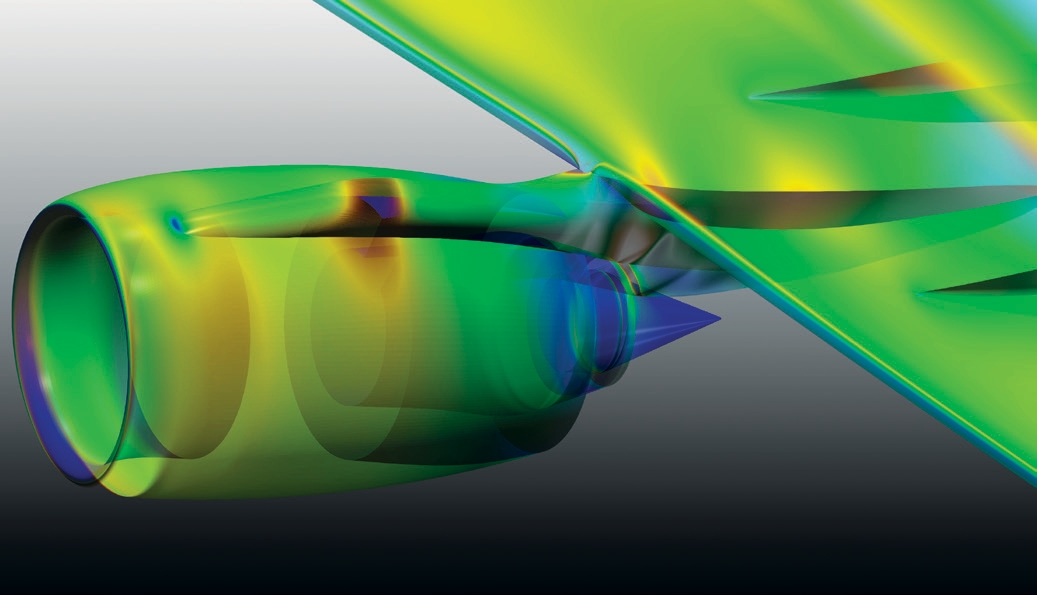
The DEEL (DEpendable & Explainable Learning) project was designed to provide manufacturers with AI tools and technological building blocks to secure and validate the development of critical systems incorporating AI. With a budget of €26 million over five years, DEEL became in April 2019 the cornerstone of the ANITI institute (Artificial and Natural Intelligence Toulouse Institute) through its “Certifiable AI toward autonomous critical systems” programme.
It has also signed agreements with IVADO and CRIAQ in Canada. We benefit from their technological edge and provide them with the ANITI model as a bridge between industrialists and academics. DEEL will gradually integrate into the 3IA ANITI while continuing to pursue its ambitious objectives.
Could you tell us about the capabilities of the IRT Saint Exupéry in the area of AI for science, materials, more electric aircraft and system engineering?
These capabilities are partly based on physical or digital platforms. For example, we have a thermoplastic impregnation line that allows us to weave carbon fibres and impregnate them with a composite matrix to make coupons. AI brings a new dimension to these techniques to further the knowledge and control of these parameters. In addition, IRT Saint Exupéry is establishing close collaborations with other IRTs like Jules Verne, M2P, and SystemX to meet the requirements of its customers.
In your opinion, what are the major challenges facing IRT Saint Exupéry?
We have identified four development priorities: adapting our financial model to prepare for the shift in government subsidies by 2025, strengthening ties with academics, developing space and defence tools by promoting cooperation between competing groups through shared intellectual property, and increasing cooperation with other major bodies such as CNES, CNRS, and ONERA (with whom a framework agreement was signed on February 4).
Originally published in ©Parlementaires de France Magazine, now ©Research Innov France.
