The biology of ageing, a major challenge for health and innovation. Created in 2012 under the direction of Prof. Eric Gilson with three supervising bodies: Inserm, CNRS and the Université Côte d’Azur, the IRCAN has a staff of 220 people divided into 16 research teams. With 726 original articles published in international journals over the last five years, it can boast 28 patents and has led to the creation of three start-ups.
Institute of Research on Cancer and Aging in Nice – IRCAN
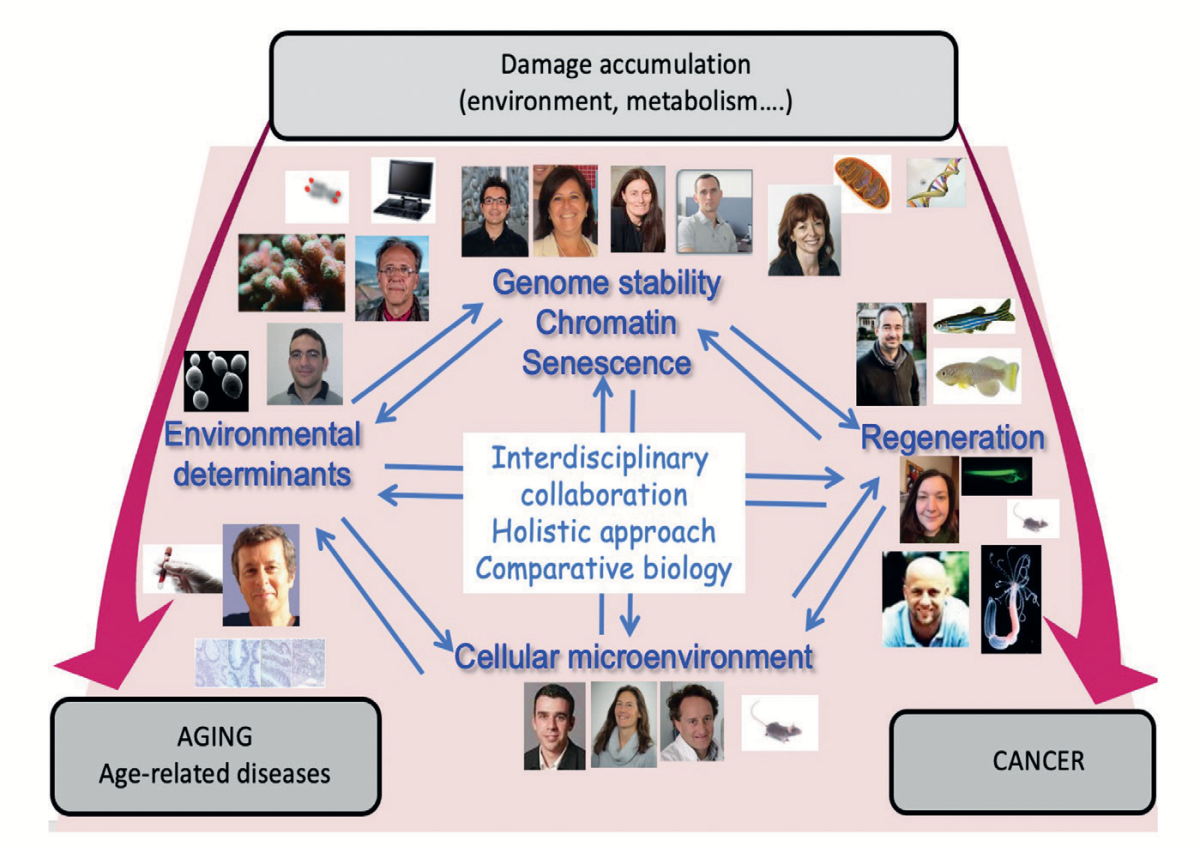
Understanding the biological mechanisms of ageing at the fundamental and applied levels: this is the primary ambition of IRCAN, the French and European leader in this emerging field associated with many chronic diseases and cancers. IRCAN’s research work is structured into five main areas: cellular senescence, (epi)genomics, regeneration, the extracellular environment and the environment (including the study of the impact of climate change on ageing).
Cellular senescence and senotherapy
IRCAN is particularly active in the field of cellular senescence, based on a long-standing American discovery: the organism first ages by accumulating senescent cells following various forms of damage. It is therefore a question of preventing cells from going into senescence or eliminating them in a preventive or curative manner. This is what senotherapy is all about.
Dr Dmitry Bulavin’s team at the IRCAN recently threw a spanner in the works by publishing their findings in the journal Cell Metabolism in 2020: using a mouse model, they demonstrated that senescent cells that are killed are not replaced, thus forming holes in the organs concerned. Senotherapy must therefore be rethought to neutralise senescent cells by means of senomorphic drugs or to kill them by replacing them at the same time by mobilising stem cells.
Shutterstock
Explorer
Other discoveries on the senescent cell can be attributed to Dr Julien Cherfils-Vicini’s team: the study of the immunosuppressive properties of the senescent cell has made it possible to identify a target (since patented) with production of antibodies to block this mechanism. This immunotherapy approach is at the preclinical model stage where its effectiveness is being tested on lung fibrosis for example.
Telomere research: the ageing clock
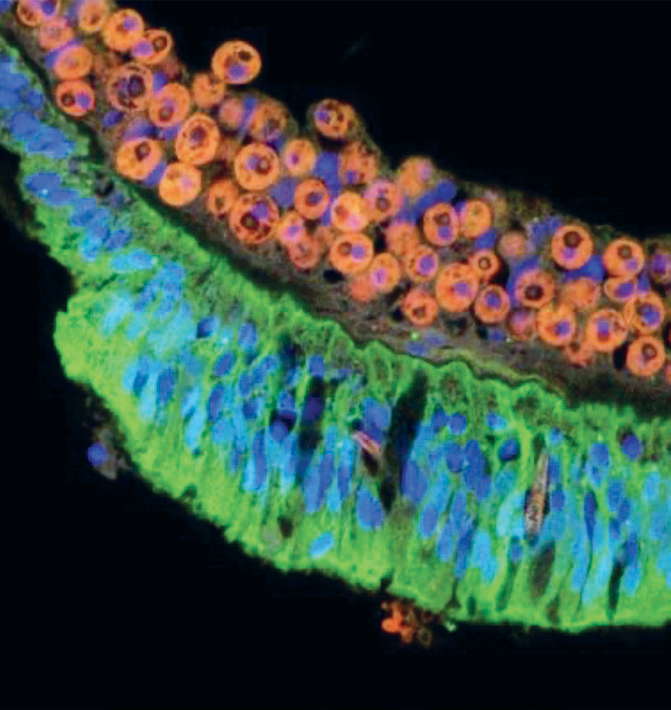
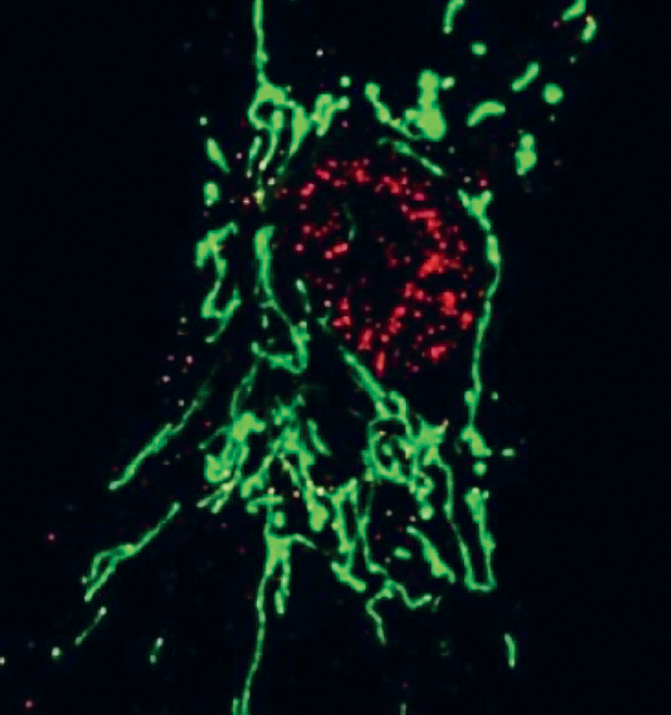
Research on telomeres is also very present at IRCAN, involving four of its teams. It is vital to better understand the functioning of this ageing clock programmed during development – a clock that can run out of control in the event of stress. The challenge is a major one: to discover the telomeric factors that contribute to ageing but not to cancer!
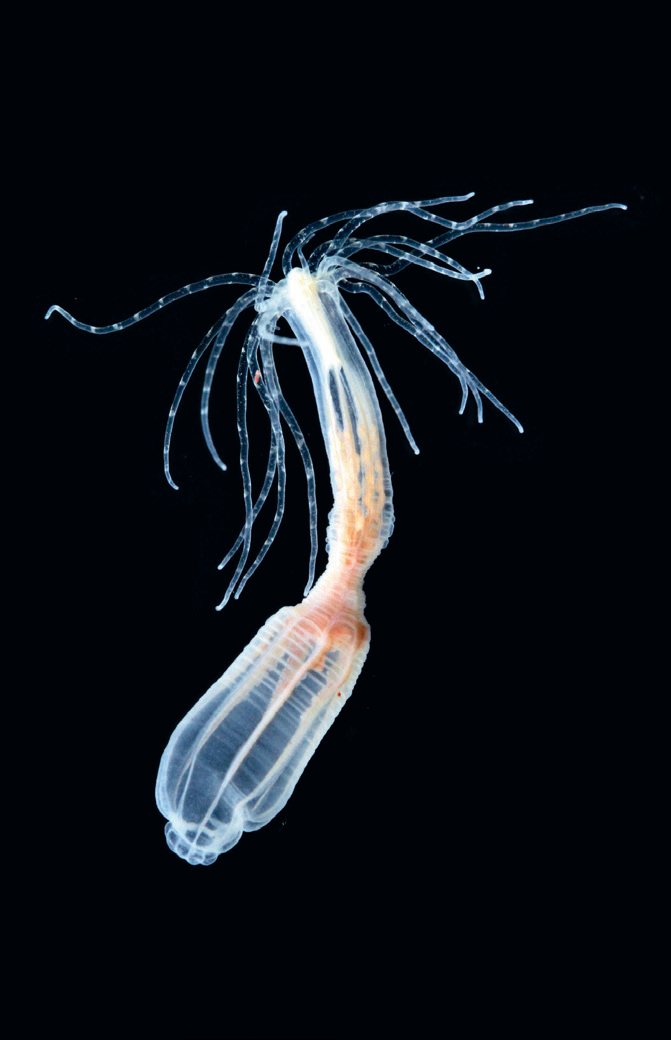
To do this, IRCAN researchers are developing organisms with extreme longevity and regeneration characteristics, such as marine invertebrates considered to be ‘quasi-immortal’, such as corals and other sea anemones: promising avenues studied by the teams of Dr Eric Röttinger and Prof. Eric Gilson, who are trying to understand how the telomeres of these organisms react to contrasting environments and what the molecular mechanisms are.
National and international programmes
With a view to taking action on both prevention and cure, Prof. Éric Gilson has been responsible for the scientific coordination of Inserm’s major transverse programme “AgeMed” (2017-2023). The participation of some twenty French teams has enabled the consolidation of an interdisciplinary research community at national level. The successor to “AgeMed”, the Thematic Cooperation Programme “InterAging” runs from 2021-2025 and aims to broaden the scope of collaborations under the leadership of Inserm, with teams from Germany (Cologne), Singapore, the UK (London) and China (Shanghai).
The IRCAN is therefore ideally placed to provide clinicians with useful markers for assessing a person’s state of frailty or anticipating the response to an immunotherapy treatment. This is the case, for example, of an ambitious programme of the ARC Foundation on “Cancer and Ageing” in which the IRCAN is a partner: the study of cohorts of patients suffering from age-related cancer will make it possible to aggregate these different parameters. The ultimate goal is to improve patient care.
Institute for Research on Cancer and Aging,
Nice School of Medicine
28, avenue Valombrose
F-06107 Nice Cedex 02
Tel. : +33 (0)4 89 15 36 03
https://ircan.org
Originally published in ©Parlementaires de France Magazine, now ©Research Innov France.
