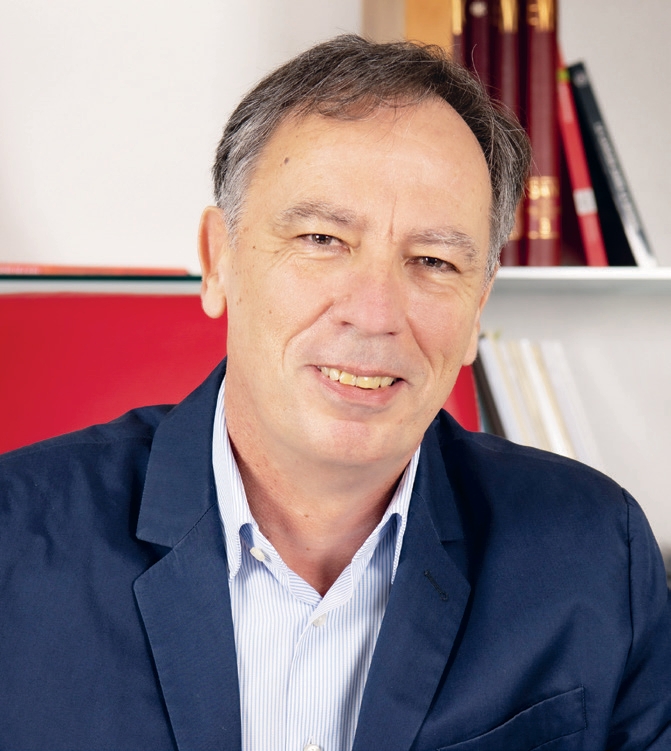
An interview with Prof. Norbert VEY, Professor of Haematology at Aix-Marseille University, Director General at the Institut Paoli Calmettes (IPC)
Translational and multidisciplinary research for the benefit of patients
What are the main areas of clinical research at the Institut Paoli Calmettes?
Our priorities are breast cancer, pancreatic cancer and acute leukaemia thanks to our large patient cohorts: they enable us to organise a continuum between fundamental research (carried out by the Marseille Cancer Centre – CRCM), clinical research and the provision of care. In addition, we focus on three main subjects, namely personalised medicine (molecular profiles of tumours and in vitro testing to measure their sensitivity to different drugs and predict the effects of different treatments); immunotherapy based on monoclonal antibodies but also on cell therapy; and human and social sciences (patient empowerment through information and onco-coaching, economic modelling, etc.).
Could you give us some examples of current research projects?
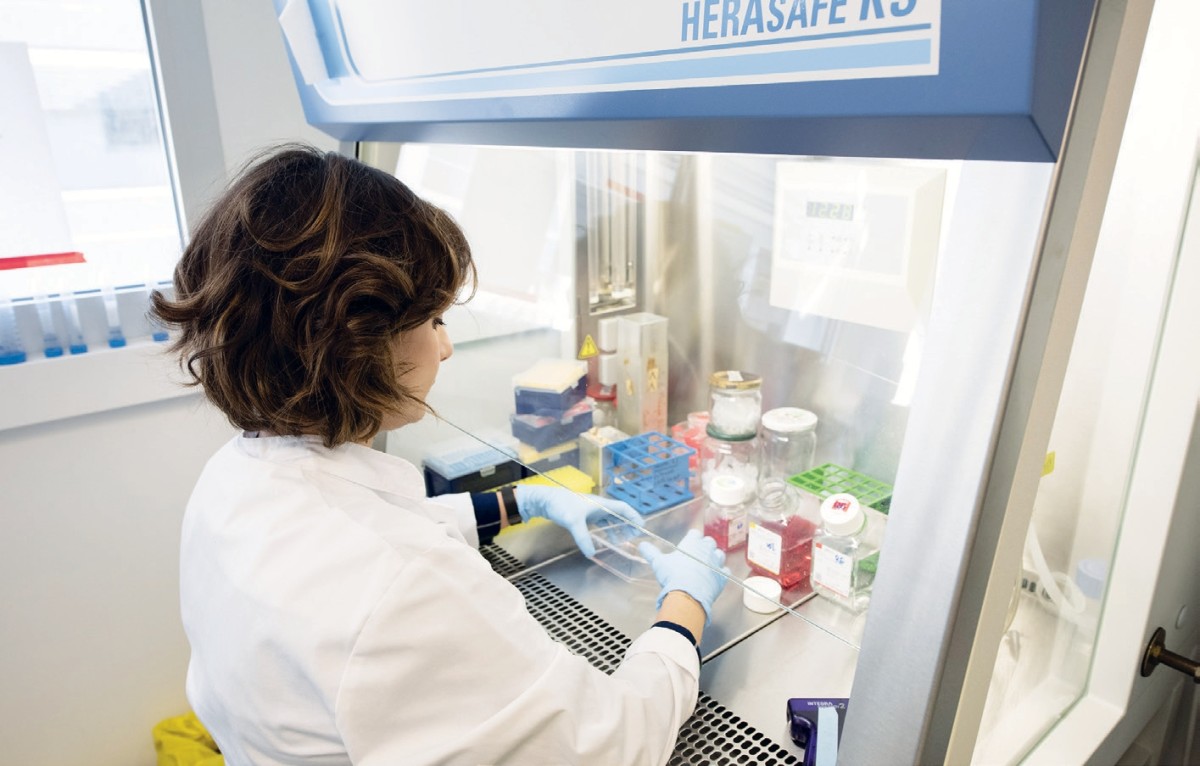
Within the framework of a partnership with the Marseille-based company Innate Pharma, which specialises in immunotherapy for the treatment of cancer, the Institute is conducting phase I of the development of an anti-CD73 antibody for breast cancer. We are also piloting a human and social sciences project in onco-coaching, which consists of using coaching techniques reserved for top-level athletes to help patients bounce back after cancer. This new strategy is the subject of a randomised prospective study (REBOND-2 trial) in patients who have received a bone marrow transplant after acute leukaemia.
What is the clinical and translational programme Leukaemia and Myeloid Haemopathies?
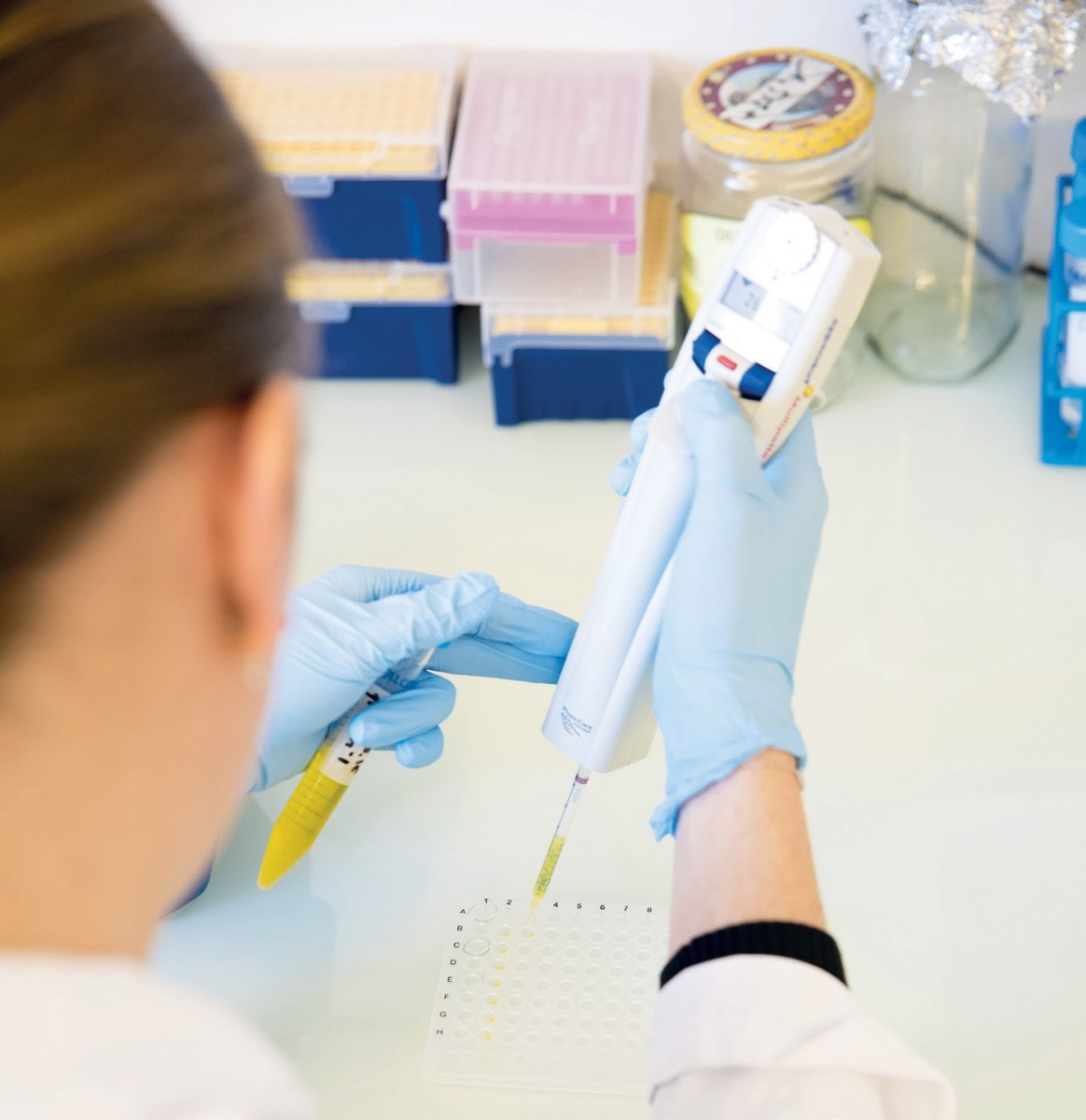
This programme ensures a continuum from basic research to the patient’s bed. It is based on three pillars: a collection of tumour cell samples from blood samples or bone marrow punctures, a multidisciplinary team (clinicians and researchers discuss molecules of interest for future studies) and clinical trials of new drugs from our own research teams or not. We have also been commissioned by the Paris-based company Inatherys to conduct a study of the first administration in humans of an immunoconjugated antibody, a chemotherapy molecule vectored by this antibody to bind to the leukaemia cells. A targeted therapy in short.
Could you tell us about the activities of the Centre Labellisé D’Essais de Phase Précoce (CLIP²)?
CLIP² has received a label and funding from the INCa (National Cancer Institute) to structure its phase I, I-II and II trials. This is important in order to meet the high requirements for patient safety and to give scale to our work. In addition, our CLIP² is distinguished by its mixed activity, oriented towards both haematology and solid tumours: bringing together these usually separate therapeutic areas is very useful for sharing advances in knowledge. Each year 200 to 250 patients are included in early phase trials at the IPC. This activity allows us to offer access to innovation to patients who have exhausted conventional therapeutic solutions. We mainly recruit patients from the PACA region, but also more widely at national level.
What are the major challenges in haematology research?
In my opinion, there are two main priorities: targeted therapies and immunotherapy for the treatment of leukaemia. There is still a long way to go, despite the progress made, and it is in our interest to apply the discoveries of new active products and the understanding of the mechanisms by which cancer cells are disrupted to these complex pathologies. It is urgent to get out of our silos, to bring together researchers, clinicians, physicists and mathematicians to advance our knowledge of all pathologies. We also need to forge links with biotechnology companies and pharmas to speed up the dissemination of advances to patients. This is what we are doing, for example with ImCheck Therapeutics, a start-up co-founded by one of the Institute’s researchers. It is developing the next generation of immunotherapeutic antibodies for the treatment of cancer, particularly leukaemia. Its great potential bodes well for the attractiveness of the Marseilles ecosystem!
Originally published in ©Parlementaires de France Magazine, now ©Research Innov France.
