
Digital technologies at the service of energy sobriety, an interview with Mr. Olivier CHAVRIER, Managing Director of the SCS Secured Communicating Solutions cluster
Secure Communicating Solutions cluster
What are the key figures for the SCS cluster?
Based in the PACA region and specialised in digital technologies, SCS cluster has 310 members, 72% of which are SMEs and start-ups. In addition, there are major industrial groups as well as research laboratories from Inria, the CEA, Aix-Marseille University, etc. Since its creation, SCS has supported and approved more than 600 innovative projects, of which more than 300 have been selected for cumulative funding of more than €1 billion (€400 million in public funds). We also organise sixty events each year focusing on key technologies or markets. These are very successful, with over 2,000 participants each year. We also provide each year between 50 and 70 individual coaching sessions for SMEs and start-ups (fundraising, internationalisation, contacts with major accounts, marketing strategy, etc.). Finally, we are located in the second largest electronic region in France and we are the second largest semiconductor ecosystem in the country.
Could you present your key technologies and the markets they address?
We have identified 4 key technologies related to the strengths of our ecosystem: microelectronics, cybersecurity, artificial intelligence and the Internet of Things. These technologies are designed to meet the needs of 4 markets considered particularly promising, namely industry of the future (4.0 and soon 5.0), health and well-being, smart cities and intelligent mobility.
What support do you offer to your members in terms of product and service innovation? Could you give us some examples?
SCS offers support in setting up innovative projects and obtaining public funding (regional, national – France 2030 – and European – Horizon Europe). This support includes the creation of technological plans, financial plans and business plans to anticipate the commercialisation of the innovation. It lasts 2 months in average. It mobilises a committee of experts who hear the projects and decide on labelling. This offer is particularly popular with companies and we are pleased with the excellent financing rate of the projects supported: nearly 50%. As an example, the Eyco company’s project was approved in 2021 with financing obtained within the framework of the France Relance plan. The €2.3m received will enable it to build a factory for the production of new electronic connector components for smart cards and the Internet of Things. More than 100 jobs should be created within 5 years. Another example in cybersecurity, SCS has approved the project of the SME Trusted Objects to finance a 36-month R&D project to implement a platform for detecting intrusions in the networks of connected objects of the Internet of Things. This platform will be used to implement countermeasures and could generate €5 million in additional revenue over the next four years. I would also like to mention the project of the start-up Aiway: the development of software based on artificial intelligence to model 3D printable dental prostheses in a dentist’s office. 200,000 € were allocated to this research which lasted 9 months.
In your opinion, what are the main challenges to be met to ensure the ecological transition of the companies in the cluster’s ecosystem?
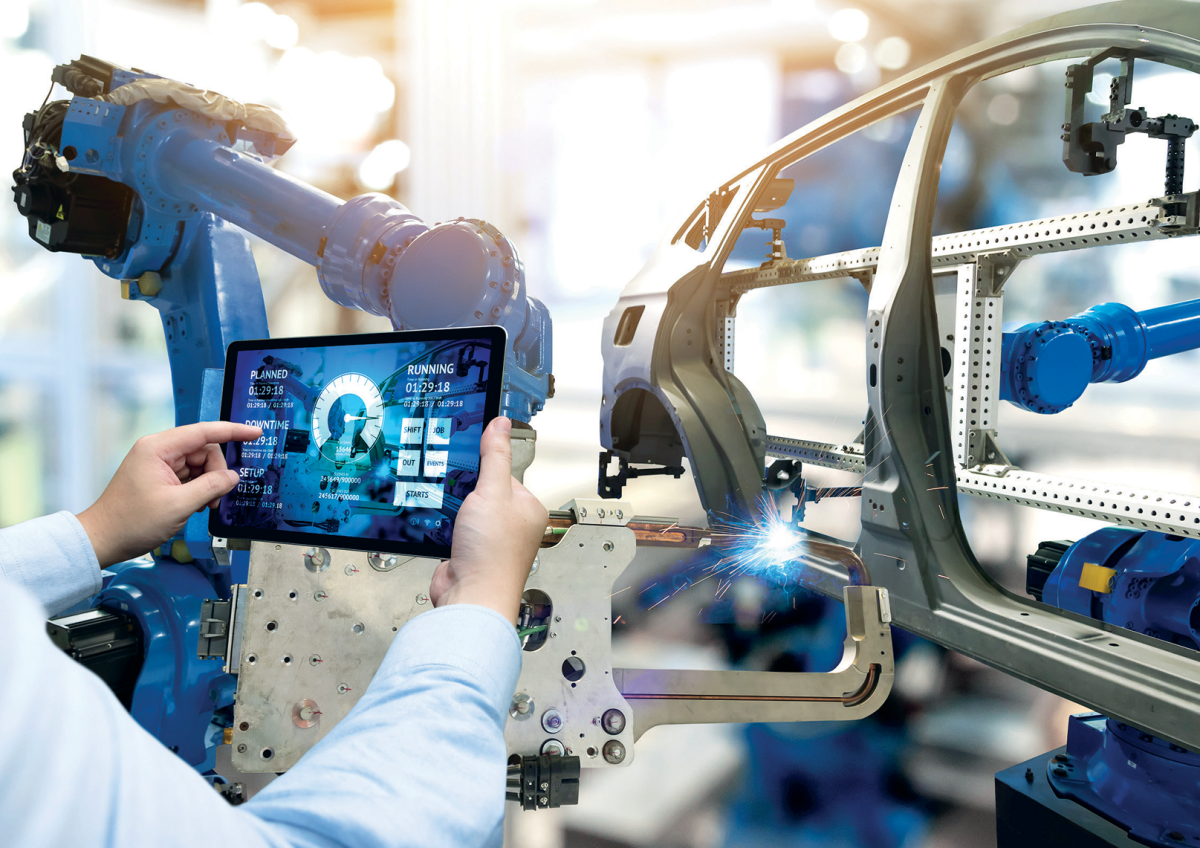
Our first challenge is to raise awareness of the importance of undertaking an approach to energy sobriety and ecological transition. This approach is made possible by two levers: the development of new economic models (with the creation of objects that are more easily repairable and therefore less quickly obsolete) and the development of software based on more energy-efficient technologies. But our action extends well beyond the perimeter of the cluster and the digital players. Indeed, we intend to help players in other industrial sectors (aviation, agriculture, energy, the sea, etc.) to use digital technologies to improve energy efficiency. Safran has already been able to see this: the use of Artificial Intelligence and modeling of aeroplane and helicopter engines has made it possible to reduce their paraffin consumption. Similarly, digital technologies make it easier to detect objects or machines that consume too much energy and to monitor energy consumption, with a dual objective of reducing the carbon footprint and improving efficiency. Avoiding pollution-related accidents, putting an end to over-consumption of energy: these are crucial issues to which SCS members can provide innovative solutions!
Originally published in ©Parlementaires de France Magazine, now ©Research Innov France.
