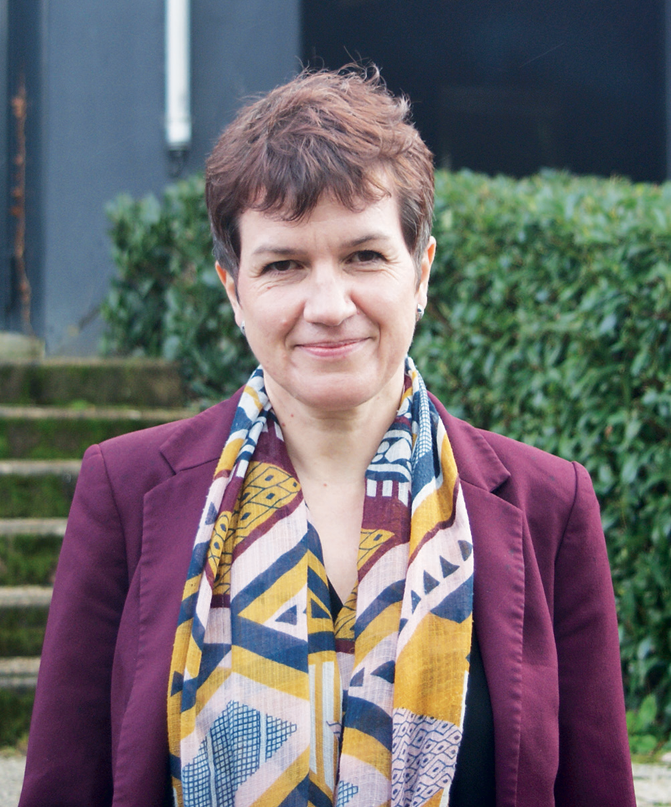
An interview with Mrs Laurence DEFLESSELLE, President of the Pays de la Loire Regional Conference of Directors of Grandes Ecoles
Education and research to support the digital, energy and food transitions
What are the key figures for the Pays de la Loire Regional Conference of Directors of Grandes Ecoles (CGE PdL)?
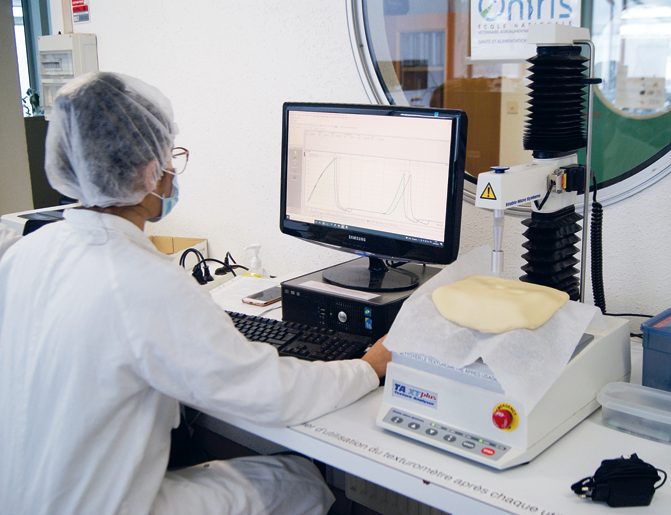
The CGE PdL brings together 22 grandes écoles, both public and private, covering a wide area: Nantes, Angers, Laval, Le Mans, La Roche-sur-Yon, Cholet and Saint-Nazaire. Half of the members have multiple sites, and their mode of governance is either autonomous or shared with other institutions. Engineering schools are in the majority, alongside management and business schools, as well as a design school, an architecture school and a national veterinary school that also trains agricultural engineers (Oniris, which I manage). This rich range of courses is aimed at more than 30,000 students, a quarter of the national student population in the grandes écoles, including 20% of scholarship holders and 800 doctoral students. In addition, our schools have a staff of over 5,000. Our DNA is reflected in our human-scale establishments, the strength of a collective network, proximity to our 23,000 partner companies and our alumni network, which maintains these partnerships through recruitment and the setting up of scientific or innovation projects.
What are your main responsibilities?
As an association under the law of 1901, the CGE PdL represents its members vis-à-vis the Regional Council and the various professional sectors. It makes its voice heard in particularly critical situations. In particular, it took part in a prefectural meeting on the reception of Ukrainian students and researchers. During the Covid crisis, it launched monthly videoconference meetings to share practices and feedback from its members. It also works hard on societal issues such as equal opportunities (with the Brio project, which brings together four of our network’s grandes écoles), diversity, recruitment, the complementary nature of degrees, partnerships as part of the Cordées de la réussite programme, gender equality and the prevention of sexual violence. It also works to open up science to society, to encourage people to take up careers in science from secondary school onwards.
In what areas are your members most active in terms of research and innovation?
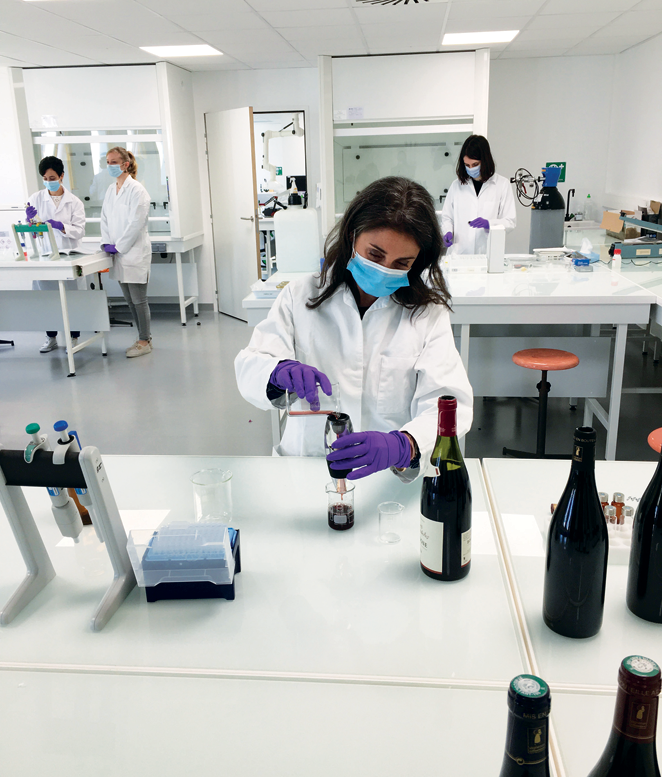
We are mobilising our skills to support the digital, energy and food transitions. In the same spirit, our members are developing a CSR policy and leading numerous initiatives in this area, in response to the legal requirement for grandes écoles to adopt sustainable development objectives by the end of 2024. This commitment is widely shared by our students, whose many associations are actively campaigning for change. We are also participating in the site policy for higher education and research. These concerted, structuring discussions with partner universities have enabled us to propose joint responses to certain calls for projects as part of the France 2030 calls for expressions of interest: skills and professions of the future, research universities, the Excellence project, etc. Another example of cross-fertilisation of skills is GEPEA, a major research unit on food process engineering that brings together Oniris, IMT Atlantique, Nantes University and the CNRS. We also plan to make greater use of social sciences and humanities to tackle societal issues such as the welfare of animals and veterinary surgeons faced with euthanasia.
What do you see as the challenges ahead in terms of training?
First of all, I’d like to point out that almost all of our bachelor’s and master’s degrees are offered through initial training, sandwich courses or continuing education (VAE). Our first challenge is gender equality in engineering training. Female students represent far less than 50% of the headcount. We need to take action in terms of recruitment, but also in terms of the baccalaureate, the reform of which has had a very negative side-effect: many girls in their final year of secondary school have given up certain specialisations such as mathematics, which effectively closes the doors to scientific careers. The second challenge is to update our training courses to prepare our students for the current transitions and offer them à la carte courses that are more in line with their aspirations.
Originally published in ©Parlementaires de France Magazine, now ©Research Innov France.
